Comprehensive Metal Construction Safety Guidelines in OKC for Compliance and Risk Prevention
Adhering to metal construction safety standards is crucial for ensuring the well-being of workers and the integrity of projects in Oklahoma City. This article delves into essential safety guidelines, compliance requirements, and risk prevention strategies specific to metal construction.
Readers will learn about the importance of OSHA regulations, local safety codes, and the necessary personal protective equipment (PPE) for metalworkers. By understanding these elements, construction professionals can mitigate risks and enhance workplace safety effectively.
The following sections will cover safety guidelines, compliance requirements, risk prevention strategies, OSHA standards, PPE requirements, and the role of safety training programs in maintaining compliance.
Safety Guidelines
Safety guidelines in metal construction are vital for protecting workers and ensuring project success. These protocols emphasize the importance of adhering to OSHA compliance, which sets the foundation for safe practices in the industry. Key components include the implementation of fall protection systems, which are essential for preventing accidents at heights.
Additionally, certification requirements for personnel ensure that workers are adequately trained to handle equipment and materials safely. By following these guidelines, construction teams can create a safer work environment and reduce the likelihood of injuries.
Compliance Requirements
Compliance with local and federal regulations is a cornerstone of safe metal construction practices. Essential permits are often required before commencing any construction project, ensuring that all activities meet safety standards.
Regular site inspections are crucial for identifying potential hazards and ensuring ongoing compliance with safety regulations. Furthermore, insurance coverage requirements protect both workers and employers in the event of accidents or injuries on the job site. Adhering to these compliance requirements not only safeguards workers but also enhances the overall quality of construction projects.
Metal Contractors, a specialized metal construction service provider in Oklahoma City, emphasizes the importance of compliance with construction safety regulations. Their expertise in professional welding and metal fabrication ensures that all projects are executed under strict safety standards, aligning with OSHA and local safety codes.
Risk Prevention Strategies
Implementing effective risk prevention strategies is essential for minimizing hazards in metal construction. Proper planning and permit acquisition are foundational steps that help identify potential risks before work begins. Utilizing technology for quality control can also enhance safety by ensuring that materials and processes meet established standards. Regular audits and supervision are critical for maintaining compliance and addressing any safety concerns that may arise during the construction process. By prioritizing these strategies, construction teams can significantly reduce the risk of accidents and injuries on the job site.
What Are the Key OSHA Metal Construction Standards Applicable in Oklahoma City?

OSHA standards play a crucial role in regulating safety within the metal construction industry. These standards outline specific requirements for various aspects of metal fabrication and welding, ensuring that workers are protected from potential hazards.
Compliance with these standards not only enhances workplace safety but also contributes to the overall quality of construction projects. Understanding the key OSHA standards applicable in Oklahoma City is essential for construction professionals aiming to maintain a safe working environment.
How Does OSHA Regulate Metal Fabrication and Welding Safety?
OSHA regulates metal fabrication and welding safety through a series of specific regulations designed to protect workers. These regulations include requirements for proper ventilation, the use of personal protective equipment, and safety measures for handling hazardous materials. Non-compliance with these regulations can result in significant consequences, including fines and increased risk of workplace accidents. By adhering to OSHA’s guidelines, metal construction companies can ensure a safer work environment for their employees.
Which Local Safety Codes Complement OSHA Regulations in OKC?
In addition to OSHA regulations, local safety codes in Oklahoma City complement federal standards by addressing specific regional concerns. These codes may include environmental safety standards and additional requirements for construction practices. Understanding and integrating these local codes with OSHA regulations is essential for comprehensive compliance. This dual approach not only enhances safety but also fosters a culture of responsibility within the construction industry.
How Can Metal Fabrication Hazard Prevention Enhance Workplace Safety?
Hazard prevention in metal fabrication is critical for enhancing workplace safety. By identifying common hazards and implementing effective prevention strategies, construction teams can significantly reduce the risk of accidents. This proactive approach not only protects workers but also contributes to the overall success of construction projects. Understanding the specific risks associated with metal fabrication allows teams to develop tailored strategies that address these challenges effectively.
Indeed, effective management of these hazards is crucial, as research highlights the persistent challenges in ensuring worker safety within the metal fabrication industry.
Managing Health & Safety Hazards in Metal Fabrication
Metal fabrication is a crucial sector in Zimbabwe’s economy, yet it poses significant health and safety risks to workers, which are often poorly managed due to a lack of comprehensive research and effective interventions. This systematic review identifies critical gaps in knowledge regarding occupational hazards in Zimbabwe’s metal fabrication industry and highlights the need for improved safety management practices and policy reforms to protect workers’ health and well-being.
The management of safety and health hazards associated with metal fabrication in Zimbabwe: a systematic review, T Shabani, 2025
What Are Common Risks in Metal Construction and How to Mitigate Them?
Common risks in metal construction include falls, equipment-related injuries, and exposure to hazardous materials. To mitigate these risks, construction teams should implement comprehensive safety training programs, utilize appropriate PPE, and conduct regular safety audits. By fostering a culture of safety and awareness, teams can significantly reduce the likelihood of accidents and injuries on the job site.
Which Safety Protocols Ensure Quality and Compliance in Metalwork?
Safety protocols that ensure quality and compliance in metalwork include regular inspections, adherence to established safety standards, and the use of high-quality materials. These protocols not only enhance the safety of workers but also contribute to the overall quality of construction projects. By prioritizing safety and compliance, construction teams can achieve better outcomes and minimize the risk of costly accidents.
What Personal Protective Equipment Is Required for Metalworkers in OKC?

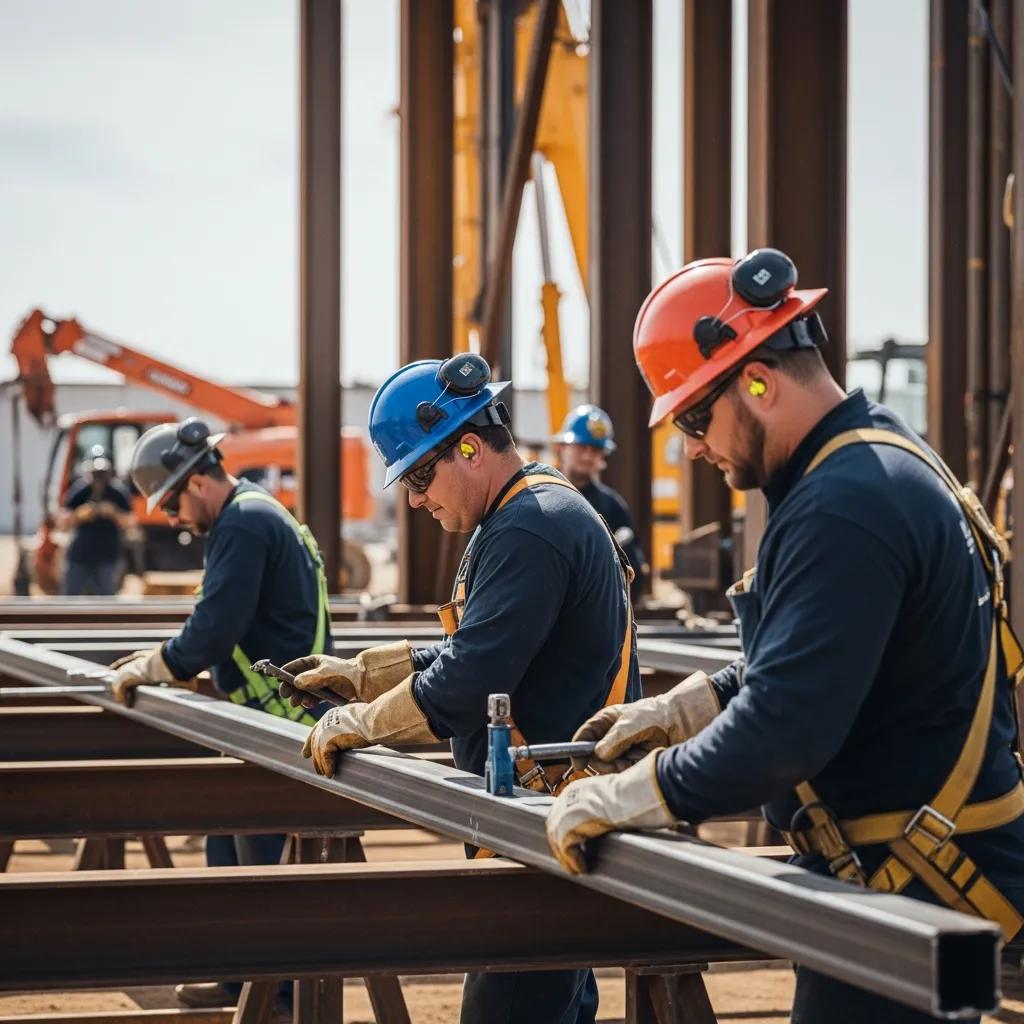
Personal protective equipment (PPE) is essential for ensuring the safety of metalworkers in Oklahoma City. The appropriate use of PPE can significantly reduce the risk of injuries on the job site. Understanding the specific types of PPE required for various tasks is crucial for maintaining a safe working environment.
Which PPE Types Are Essential for Welding and Metal Fabrication Tasks?
Essential PPE for welding and metal fabrication tasks includes protective eyewear, flame-resistant clothing, and respirators. These items are designed to protect workers from potential hazards such as sparks, heat, and harmful fumes. Ensuring that all workers are equipped with the necessary PPE is a fundamental aspect of maintaining safety in metal construction.
How Does Proper PPE Usage Reduce Construction Site Injuries?
Proper usage of PPE has been shown to reduce construction site injuries significantly. Statistics indicate that workplaces with comprehensive PPE protocols experience fewer accidents and injuries. Training workers on the correct use of PPE is essential for maximizing its effectiveness and ensuring a safe working environment.
How Do Safety Training Programs and Audits Support Metal Construction Compliance in OKC?
Safety training programs and audits play a vital role in supporting compliance within the metal construction industry. These initiatives ensure that workers are well-informed about safety protocols and regulations, fostering a culture of safety on the job site. Regular audits help identify areas for improvement and ensure ongoing compliance with safety standards.
What Training Options Are Available for Metal Construction Safety in Oklahoma City?
Various training options are available for metal construction safety in Oklahoma City, including hands-on workshops, online courses, and certification programs. These training opportunities equip workers with the knowledge and skills necessary to maintain a safe working environment. Investing in safety training is essential for reducing risks and enhancing overall compliance.
How Often Should Metal Construction Safety Audits Be Conducted?
Regular safety audits should be conducted at least quarterly to ensure ongoing compliance with safety regulations. These audits help identify potential hazards and areas for improvement, allowing construction teams to address issues proactively. By prioritizing safety audits, companies can maintain a high standard of safety and compliance in their operations.