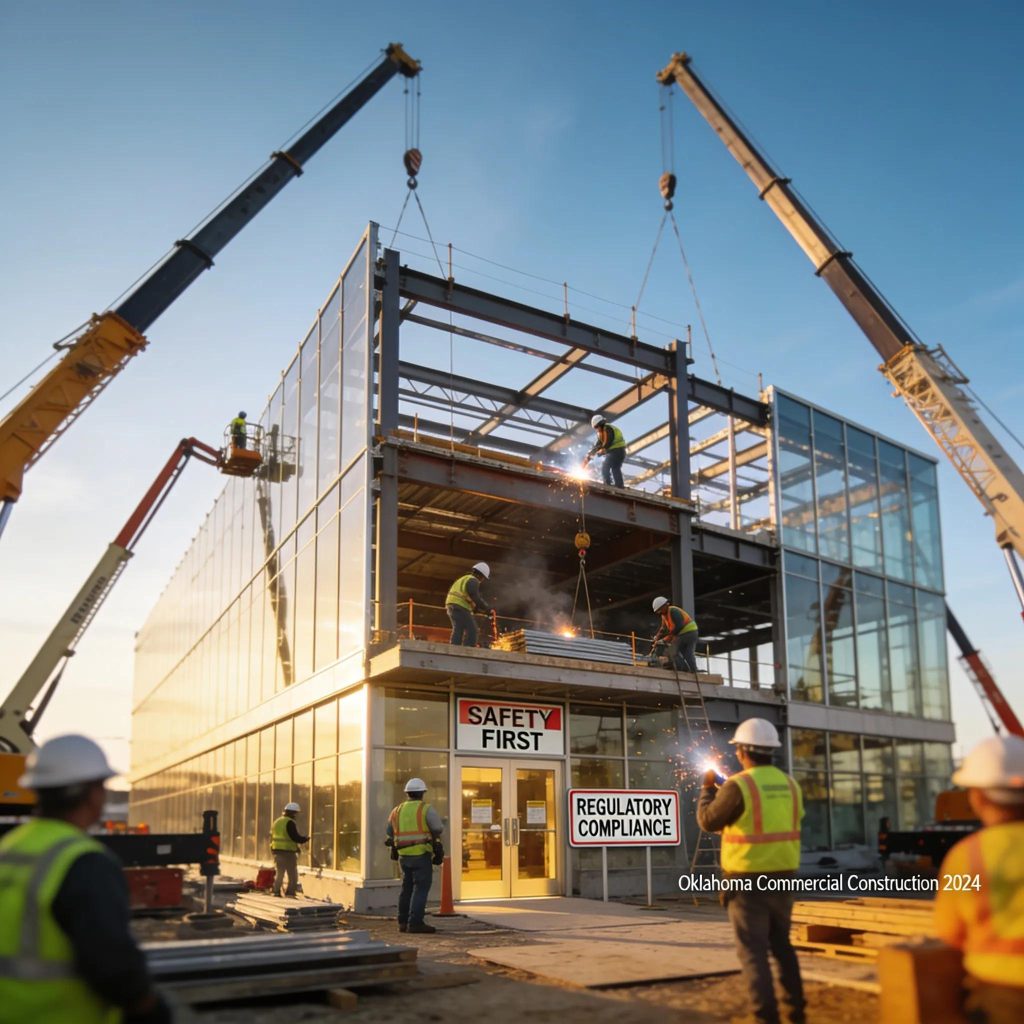
Understanding Oklahoma Commercial Building Codes & Compliance: Comprehensive Guide for Regulatory Adherence and Safety
Navigating the landscape of commercial building codes and compliance requirements in Oklahoma is essential for property developers, business owners, and contractors. With regulations enforced by various local and state authorities, understanding these codes helps ensure safety, legality, and operational efficiency. In this comprehensive guide, we will delve into the vital aspects of Oklahoma’s commercial building regulations, including the roles of regulatory bodies, permitting processes, fire safety requirements, and compliance standards crucial for energy efficiency and accessibility. As stakeholders often face challenges in keeping up with evolving compliance standards, this article aims to provide clarity and actionable insights. Furthermore, it will outline resources for updated codes, compliance tools, and inspection procedures that can significantly impact the success of commercial projects.
What Are the Key Oklahoma Commercial Building Codes and Regulatory Authorities?
Oklahoma’s commercial building codes are a set of laws and standards designed to ensure the safety and functionality of commercial structures. These codes cover various aspects of construction, from design and materials to safety features and environmental impact. The primary regulatory bodies responsible for enforcing these codes include state and local building departments, which work in tandem to maintain compliance throughout the construction process.
Which state and local bodies govern Oklahoma commercial building regulations?
In Oklahoma, several key organizations oversee the commercial building regulations. These include:
- Oklahoma Uniform Building Code Commission: This state-level body develops and maintains uniform building codes applicable across Oklahoma.
- Local City Building Departments: Each municipality, such as Oklahoma City and Tulsa, has its own building department that enforces local building codes pertinent to commercial properties.
- State Fire Marshal’s Office: This agency regulates fire safety codes as they apply to commercial buildings.
These governing bodies collaborate to ensure consistent adherence to codes that safeguard public health and safety.
How do the International Building Code and NFPA standards apply in Oklahoma?
Oklahoma adopts several regulations rooted in national standards. The International Building Code (IBC) and National Fire Protection Association (NFPA) standards are critical for ensuring modern safety practices. Specific adaptations of these codes include:
- Adoption of IBC: Many provisions from the IBC are integrated into Oklahoma’s building codes, particularly concerning structural integrity and life safety.
- NFPA Compliance: Commercial properties in Oklahoma must adhere to NFPA standards relevant to fire safety, such as fire alarm systems and building fire prevention systems.
Compliance with these codes is vital as non-compliance can result in significant legal and financial repercussions.
How to Navigate Permitting and Inspection Processes for Oklahoma Commercial Buildings?

Obtaining the proper permits and passing inspections are crucial steps in the construction of commercial buildings in Oklahoma. Every project must follow specific guidelines, ensuring that all construction activities comply with state and local regulations.
What are the requirements and steps for obtaining a commercial building permit in Oklahoma City?
To obtain a commercial building permit in Oklahoma City, project developers must follow several steps. The process generally involves:
- Submission of Plans: Developers must provide detailed construction documents, including architectural and structural designs.
- Review by Building Department: The local building authority will review the submitted plans for compliance with applicable codes and standards.
- Obtaining Necessary Approvals: Depending on the project, approvals from other agencies, such as zoning or environmental commissions, may also be required.
- Permit Issuance: Once all reviews and approvals are completed, a commercial building permit will be issued, allowing construction to commence.
This standardized approach helps streamline the permitting process while ensuring adherence to regulations.
How do inspection procedures ensure code compliance during construction?
Inspection procedures are integral to maintaining code compliance in commercial construction. These inspections typically include several key components:
- Types of Inspections: Inspections can be triggered at various construction phases, including foundation, framing, electrical, plumbing, and final occupancy.
- Frequency and Scheduling: Inspections are scheduled during critical phases of the construction process to ensure compliance before proceeding to the next stage.
- Common Issues Found: During inspections, typical compliance issues may arise, such as structural deficiencies, inadequate fire safety measures, and improper electrical installations. Prompt resolution of these issues is essential for project continuity.
Regulatory inspections protect public safety by ensuring that construction adheres to Oklahoma building codes.
What Fire Safety and Emergency Regulations Must Oklahoma Commercial Properties Follow?

Commercial properties in Oklahoma must follow strict fire safety and emergency regulations to protect occupants and the surrounding community. These regulations emphasize proactive measures and emergency preparedness.
What NFPA fire safety codes are adopted specifically for Oklahoma commercial buildings?
Several NFPA codes are specifically adopted in Oklahoma to enhance fire safety. Key codes include:
- NFPA 1: Fire Code, outlining the minimum requirements for fire prevention.
- NFPA 101: Life Safety Code, addressing occupant safety during emergencies.
- NFPA 70: National Electrical Code, focusing on safe electrical installations.
Understanding and implementing these codes is critical as they directly impact the safety of commercial establishments during emergency situations.
How do emergency regulations impact commercial facility design and operations?
Emergency regulations significantly influence the design and operational protocols of commercial facilities by mandating:
- Exit Design and Visibility: Regulations require clear and accessible exits to facilitate safe evacuation during emergencies.
- Fire Alarms and Suppression Systems: Facilities must incorporate reliable fire alarm systems and effective suppression measures to mitigate fire risks.
- Emergency Response Plans: Businesses are also required to have established emergency response plans and conduct regular drills to prepare staff for emergencies.
These regulations are vital for enhancing overall safety standards in Oklahoma’s commercial properties.
What Are the Commercial Electrical, Energy Efficiency, and Accessibility Compliance Standards in Oklahoma?
Compliance with electrical, energy efficiency, and accessibility standards is essential for Oklahoma’s commercial buildings. These standards ensure safety, sustainability, and inclusivity in commercial environments.
How does the Oklahoma Energy Code influence commercial building design?
The Oklahoma Energy Code sets forth energy conservation standards that influence commercial building design by:
- Efficiency Requirements: Mandating minimum energy efficiency levels for HVAC systems, lighting, insulation, and other building components.
- Sustainability Practices: Encouraging the use of sustainable materials and innovative technologies to lower energy consumption.
Developers must integrate these energy guidelines into their designs to achieve compliance.
What commercial electrical codes regulate installations and safety in Oklahoma?
Oklahoma adheres to the National Electrical Code (NEC), which provides comprehensive guidelines to ensure safety in electrical installations. Key codes include:
- Wiring Methods: Specifications for approved wiring materials and installation techniques.
- Safety Standards: Requirements for equipment and system protections to prevent electrical hazards, including overcurrent and grounding provisions.
Compliance with these electrical codes is fundamental for ensuring operational safety and reliability.
What accessibility standards apply to Oklahoma commercial facilities?
Accessibility standards in Oklahoma are guided by the Americans with Disabilities Act (ADA), ensuring that commercial facilities are accessible to all individuals. Key elements include:
- Physical Access: Requirements for ramps, accessible entrances, and restrooms designed for individuals with disabilities.
- Communication Access: Ensuring that information is delivered through means accessible to all, including those with hearing or visual impairments.
Adhering to these standards is not just a regulatory obligation but also a commitment to inclusivity and equal access.
Which Zoning and Local Property Regulations Are Essential for Oklahoma Commercial Construction?
Zoning laws and local property regulations significantly affect the construction and operation of commercial properties in Oklahoma. Understanding these regulations aids developers in making informed decisions.
What zoning laws impact commercial property development in Oklahoma City?
Zoning laws in Oklahoma City determine how land can be used and what types of structures can be built. Important zoning classifications include:
- Commercial Zoning: Designates areas specifically for business activities, allowing for a range of commercial operations.
- Mixed-Use Zoning: Permits a combination of commercial, residential, and recreational uses, promoting integrated community development.
- Restrictions and Allowances: Each zoning designation comes with specific restrictions or privileges regarding building height, density, and use.
Engagement with local planners is crucial for navigating these complex zoning regulations.
How do local property regulations affect commercial facility planning and operations?
Local property regulations dictate how a commercial facility must be planned and operated. These can include:
- Setback Requirements: Regulations that specify the distance buildings must be set back from property lines, ensuring public space accessibility.
- Building Materials Compliance: Standards governing the types of materials used in construction to ensure durability and aesthetics in relation to the environment.
- Permitting for Modifications: Any alterations to a facility often require new permits, ensuring ongoing compliance with current regulations.
Incorporating these regulations into the planning process reduces the risk of costly violations.
Where Can Commercial Stakeholders Find Updated Oklahoma Building Code Resources and Compliance Support?
Available resources serve as crucial tools for stakeholders in Oklahoma seeking to stay informed about building codes and compliance support.
How to access official Oklahoma commercial building code updates and amendments?
Stakeholders can access updates and amendments to Oklahoma’s commercial building codes through:
- Oklahoma Uniform Building Code Commission Website: This site offers the latest codes and amendments for reference.
- Local Building Department: Each local department can provide updates specific to regional requirements and amendments.
- Construction Industry Associations: Organizations such as the Oklahoma Home Builders Association often provide resources and legislative updates.
Staying current with these resources ensures compliance with evolving standards.
What tools and checklists assist with compliance monitoring and risk management?
Implementing effective compliance tools helps stakeholders in managing regulatory risks. Useful tools include:
- Compliance Checklists: Detailed lists ensure that all regulatory aspects are accounted for during construction.
- Building Code Software: Software solutions can aid project managers in tracking compliance through the building process.
- Training Programs: Educational workshops and training sessions on current codes and compliance processes enhance awareness and competency.
Utilizing these resources fosters proactive compliance management, mitigating potential issues before they arise.