
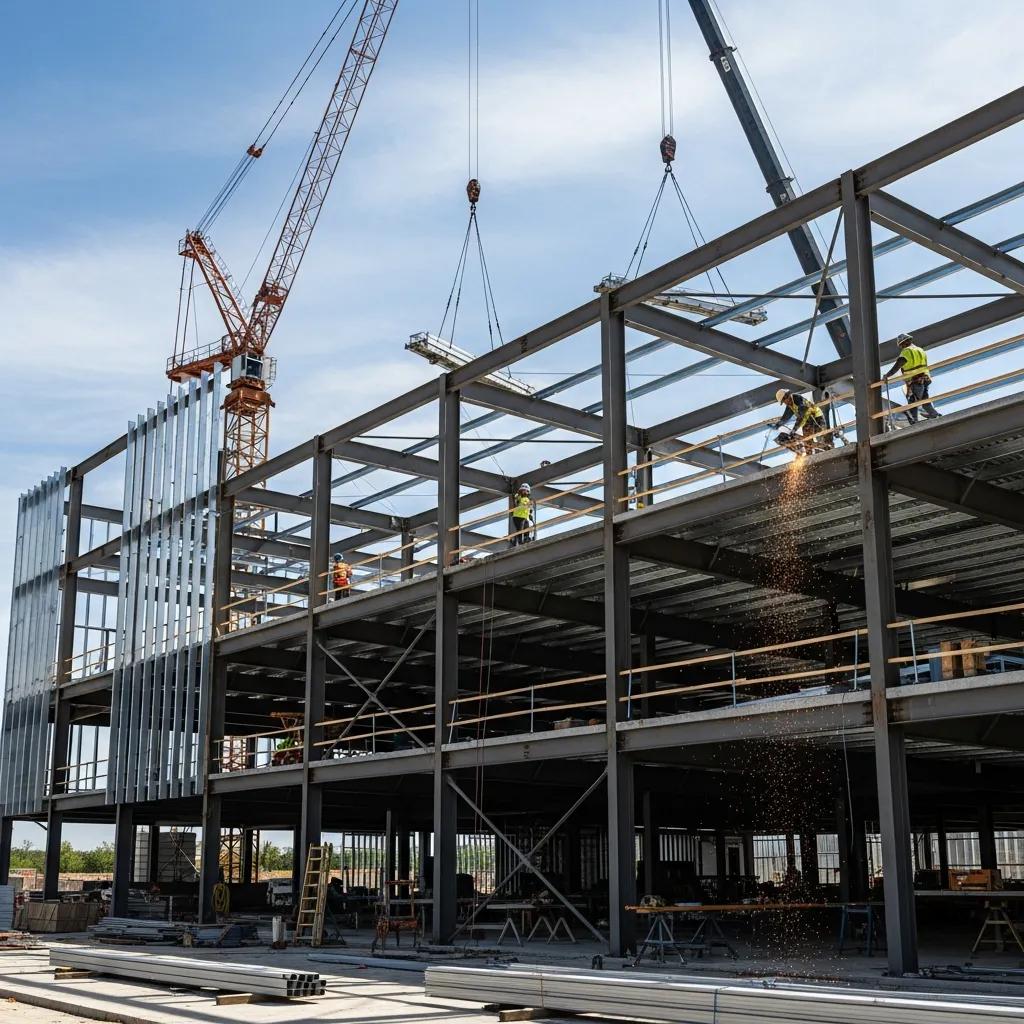
Beginner's Guide to Metal Construction: Types, Materials, Components, and Real-World Benefits
Metal construction is a cornerstone of modern building design — valued for strength, speed, and flexibility. This guide walks you through the most common metal building types, the materials and parts that make them work, and the practical benefits they deliver. You’ll see how metal methods differ from traditional construction and why architects, builders, and owners choose metal for everything from homes to industrial facilities. We’ll also explain the process from design to assembly and why working with an experienced team like Metal Contractors matters for a smooth project.
What Is Metal Construction and Why Is It Important?
Metal construction uses metals such as steel and aluminum for a structure’s frame, roof, and key components. Its importance has grown because metal brings durable, efficient, and often more economical solutions to a wide range of building needs. Compared with wood, brick, or plain concrete, metal systems can cut waste, speed up schedules, and deliver longer service life when designed and installed correctly.
How Does Metal Construction Differ from Traditional Building Methods?
The main difference is material and method. Traditional builds typically rely on wood, masonry, or cast concrete, while metal construction centers on engineered metal sections and prefabricated assemblies. Metal resists many common issues—moisture damage, pests, and warping—and assemblies can be pre-cut or factory-built for faster, more predictable on-site work. That speed and predictability are especially valuable on commercial projects where timelines and budgets are tight.
What Are the Key Advantages of Using Metal in Construction?
Metal construction brings several practical advantages:
- Durability: Metal frameworks resist rot, insect damage, and many weather-related issues, extending a building’s useful life.
- Energy Efficiency: With the right insulation and reflective finishes, metal buildings can perform very well thermally and reduce operating costs.
- Cost-Effectiveness: Faster build times and lower long-term maintenance often translate into measurable savings over a building’s lifecycle.
These benefits make metal an attractive choice for both residential and commercial work.
Industry research and project experience consistently point to the durability and efficiency advantages of metal structures.
Which Types of Metal Construction Are Commonly Used?
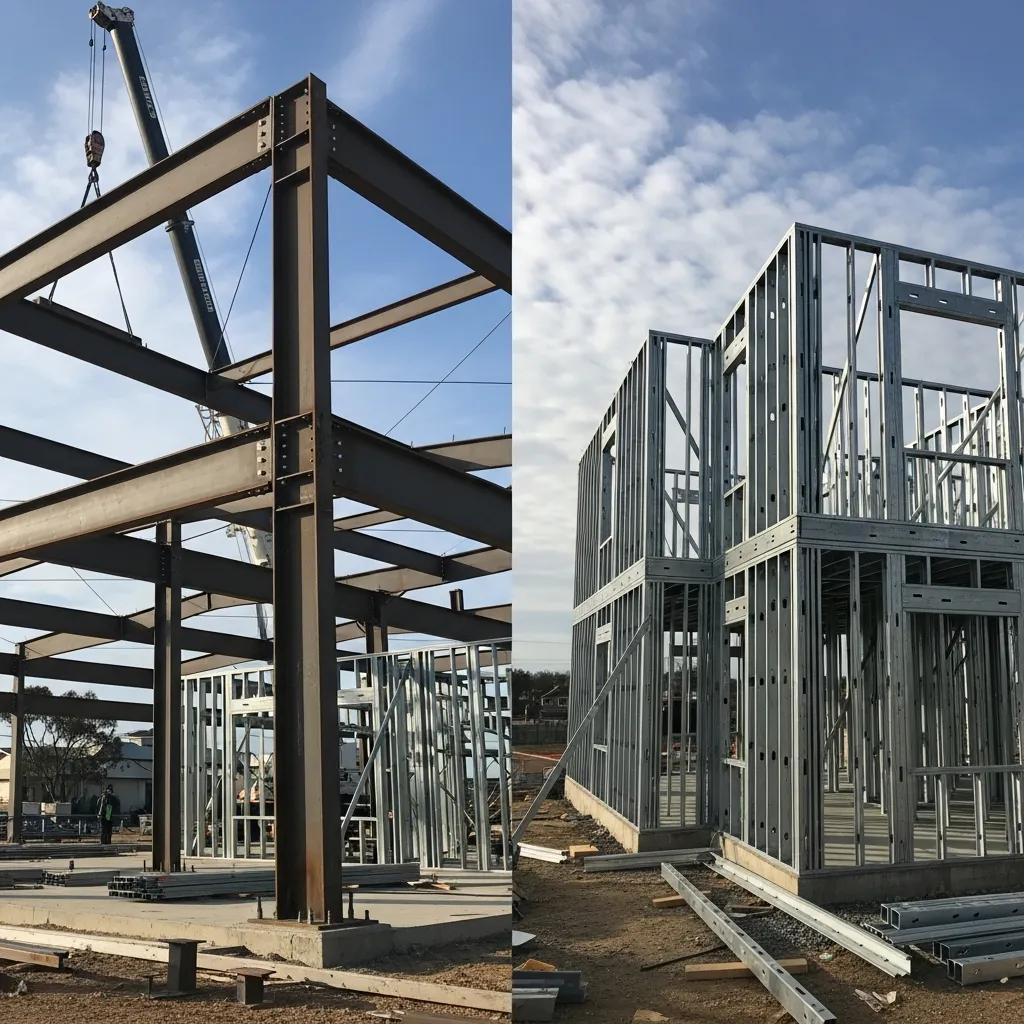
There are several common metal construction approaches, each suited to different scales and uses. Choosing the right type depends on load needs, budget, site conditions, and how you plan to use the space.
What Is Structural Steel Framing and Where Is It Applied?
Structural steel framing uses heavy steel columns, beams, and girders to form a building’s primary support. It’s the go-to choice for commercial buildings, bridges, and large industrial facilities because it carries heavy loads and allows wide, column-free spaces — ideal for warehouses, distribution centers, and manufacturing plants.
How Does Light-Gauge Steel Framing Benefit Residential Construction?
Light-gauge steel framing uses thin, cold-formed steel sections to create a strong but lightweight frame. It’s increasingly popular for homes, especially where durability and resistance to pests or extreme weather are priorities. Key benefits include: steel frame construction.
- Cost Benefits: Often competitive with traditional wood framing, though prices depend on local markets.
- Weight Advantages: Lighter framing can reduce foundation size and transport costs.
- Speed of Construction: Prefabricated components and simplified assembly speed up builds.
For many homeowners and builders, light-gauge steel offers a modern, resilient alternative to lumber.
Comparative studies and market trends point to growing adoption of light-gauge steel where its advantages match project goals.
What Are Pre-Engineered Metal Buildings and Their Uses?
Pre-engineered metal buildings (PEBs) are factory-designed and manufactured units that arrive ready for on-site assembly. They’re widely used for warehouses, workshops, retail buildings, and farm structures. The main perks are:
- Customization: PEBs can be tailored to fit layout, door, and finish needs.
- Reduced Construction Time: Off-site fabrication shortens on-site work and weather exposure.
- Cost Efficiency: Reduced waste and faster erection typically lower overall project costs.
When you need a flexible, quick-to-build option, pre-engineered systems are a practical choice.
Contemporary construction reviews highlight the economic and environmental advantages of pre-engineered systems.
What Are the Essential Components of a Metal Building?
Knowing the main parts of a metal building helps you understand how they perform and what to watch for during design and maintenance. Core components include:
- Columns and Beams: Primary supports that carry gravity and live loads.
- Purlins and Girts: Horizontal members that support roof and wall panels.
- Bracing Systems: Elements that resist wind and seismic forces and keep the frame stable.
Which Structural Elements Form the Backbone of Metal Buildings?
| Structural Element | Function | Importance |
|---|---|---|
| Columns | Vertical support | Essential for load-bearing |
| Beams | Horizontal support | Distributes weight across spans |
| Purlins | Roof support | Provides stability to the roof structure |
| Girts | Wall support | Enhances wall strength and integrity |
These parts work together so the building remains stable under load, wind, and other environmental stresses.
How Do Wall Panels, Roof Panels, and Bracing Contribute to Building Integrity?
Wall and roof panels protect the interior and help control thermal performance, while bracing systems prevent racking and distribute lateral forces. Proper connections, coatings, and drainage details are also crucial — they keep panels performing well and extend the building’s service life.
What Metals Are Commonly Used in Metal Construction and What Are Their Properties?
Different metals offer different trade-offs. Choosing the right material depends on strength needs, corrosion exposure, weight targets, and budget.
What Are the Characteristics and Applications of Steel Types?
Steel is the most widely used metal in building work because of its strength and adaptability. Common types include:
- Carbon Steel: Strong and cost-effective — commonly used for primary structures.
- Stainless Steel: Corrosion-resistant and used where appearance or exposure to moisture is a concern.
- Alloy Steel: Blended with other elements to improve toughness or specific mechanical properties for specialized uses.
Selecting the right steel grade and protective finish is key to meeting performance and longevity goals.
How Is Aluminum Used in Metal Construction and What Are Its Benefits?
Aluminum is prized for being lightweight and naturally corrosion-resistant. Benefits include:
- Lightweight: Easier handling and less dead load on the structure.
- Corrosion Resistance: Well-suited to outdoor and coastal environments.
- Recyclability: Aluminum recycles efficiently, which supports sustainable building choices.
For canopies, curtain walls, and some structural uses, aluminum is an excellent option.
How Does the Metal Construction Process Work from Start to Finish?
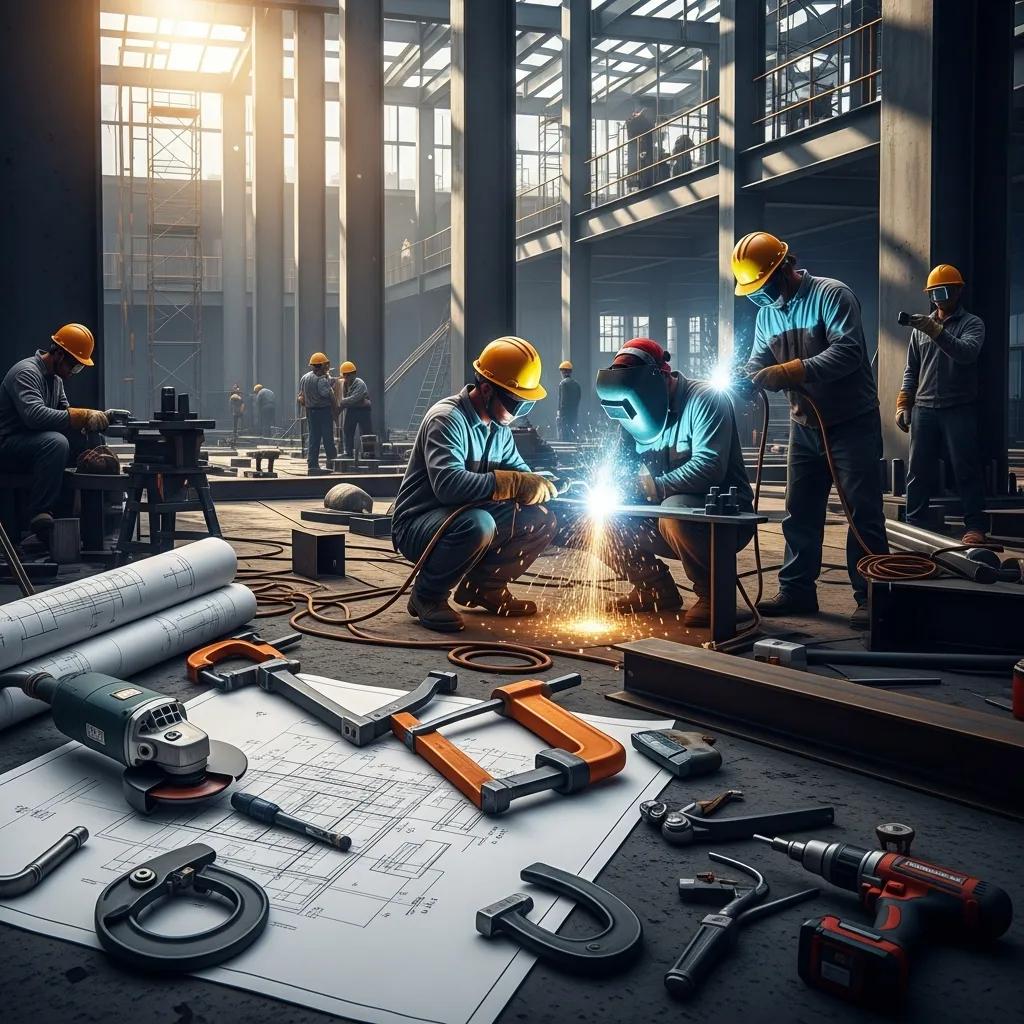
Metal projects follow a clear path from planning to handover. Understanding each stage helps you manage cost, schedule, and quality.
What Are the Key Stages in Designing and Planning a Metal Construction Project?
Typical stages include:
- Initial Design Considerations: Define function, budget, and timeline so the design matches your needs.
- Permitting Process: Obtain local approvals and ensure plans meet codes and site conditions.
- Finalizing Plans: Produce detailed drawings, specifications, and material lists for fabrication and erection.
Thorough planning reduces surprises during fabrication and on-site assembly.
How Are Fabrication and Welding Performed in Metal Building Construction?
Fabrication turns engineered drawings into cut, shaped, and pre-drilled components. Welding and bolting join those pieces on-site or in the shop. Quality control — including weld inspection, dimensional checks, and protective coatings — is essential to meet international building code and safety standards.
Why Choose Metal Contractors for Your Metal Construction Needs in Oklahoma City?
Picking the right contractor makes a big difference. Metal Contractors brings local experience and a focus on durable, practical metal work for homeowners and businesses in Oklahoma City and nearby communities. building guide
What Expertise and Services Does Metal Contractors Provide Locally?
We design and build reliable metal solutions tailored to your project. Our services include:
- Access Ladders: Built to code for safe access and inspection.
- Architectural Metal: Custom metalwork that enhances appearance and performance.
- Awnings & Canopies: Weather-protective, attractive exterior coverings.
- Fabrication: Precision shop work for components that fit right the first time.
- Fences & Gates: Secure, durable perimeter systems with clean finishes.
How Can You Get Started with a Metal Construction Project in Oklahoma City?
Begin with a consultation — we’ll review your goals, site, and budget, then recommend practical options. From permit help to final inspection, we guide the project to completion so you get a dependable, long-lasting result.
Frequently Asked Questions
What are the environmental benefits of metal construction?
Metal construction supports sustainability in several ways: steel and aluminum are highly recyclable, metal buildings often require fewer replacements over time, and proper insulation and finishes can lower energy use. Choosing recyclable materials and efficient designs reduces waste and the building’s environmental footprint.
How does metal construction impact project timelines?
Metal systems typically shorten schedules. Prefabrication and pre-cut components reduce on-site labor, and the assembly sequence is more predictable than many traditional builds. That often means faster occupancy and lower weather-related delays.
What are the maintenance requirements for metal buildings?
Metal buildings are low-maintenance but not maintenance-free. Regular visual inspections for coatings, fasteners, and drainage help catch issues early. Address surface corrosion, keep gutters clear, and maintain sealants to preserve performance for decades.
Can metal construction be used for residential projects?
Absolutely. Light-gauge steel framing and metal-clad systems are increasingly common in homes. They deliver strength, design flexibility, and resistance to pests and weather, while offering modern aesthetic and energy-performance options.
What are the cost considerations when choosing metal construction?
Upfront costs vary by design, material choice, and local labor rates, but metal often saves money over time thanks to faster construction, lower maintenance, and better durability. Review both initial and lifecycle costs to compare metal versus conventional approaches fairly.
How does metal construction contribute to safety in building design?
Metal structures offer predictable structural performance and resistance to many common hazards. When engineered properly, metal buildings provide strong load paths, fire-resistance benefits from non-combustible framing, and resilience in wind and seismic events — all contributing to safer outcomes for occupants.
Conclusion
Metal construction delivers lasting strength, efficient build schedules, and flexible design options for a wide range of projects. With a clear understanding of the types, materials, and components involved, you can make informed choices that match performance and budget goals. Partnering with a trusted local team like Metal Contractors helps ensure your project finishes on time and stands the test of time. Ready to explore metal for your next build? Start the conversation today.
