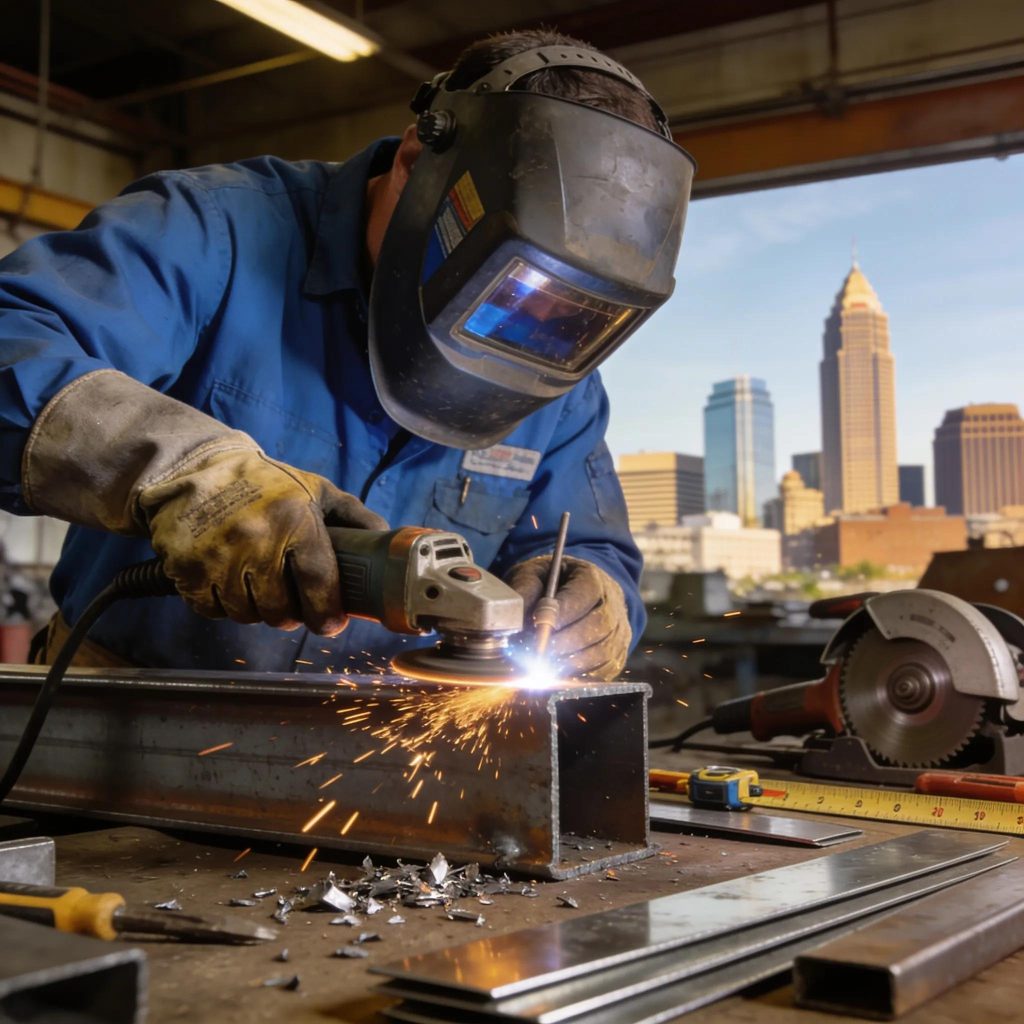
How to Choose the Right Metal Contractor in Oklahoma City: Expert Guidance for Selecting Licensed and Reliable Metal Fabricators
Selecting the right metal contractor in Oklahoma City is a critical decision for any construction project, whether it’s for a commercial building or a custom fabrication. Proper guidance can ensure that businesses and homeowners alike choose a licensed and reliable metal fabricator tailored to their specific needs. This article will illuminate the process of selecting a metal contractor, addressing crucial criteria such as verifying credentials, evaluating services, understanding costs and timelines, harnessing customer reviews, ensuring safety compliance, and identifying reputable local fabricators. We’ll provide a comprehensive understanding of what to look for when hiring metal contractors, enabling informed decision-making.
What Credentials Verify a Licensed Metal Contractor in Oklahoma City?
When choosing a metal contractor, verifying the necessary credentials is essential to ensuring quality and reliability. Licensed metal contractors possess specific qualifications demonstrating their capability and adherence to industry standards. Credentials such as licenses and certifications serve as a measure of professionalism, reflecting a commitment to safety and quality assurance. Checking these credentials helps prevent future project complications and reassures clients about a contractor’s legitimacy and expertise.
Which Licenses and Certifications Are Essential for Metal Fabricators?

Metal fabricators are required to hold specific licenses and certifications to operate legally in Oklahoma. Essential licenses may include a general contractor’s license and specialized certifications related to welding and metalworking. Contractors should also meet adherence to local regulations and state-specific requirements, ensuring compliance with safety standards. Proper verification of these credentials ensures that a fabricator is qualified to handle various metal projects effectively.
How to Confirm a Metal Contractor’s Credentials in Oklahoma City?
To confirm a metal contractor’s credentials, clients can take several proactive steps. Validating licenses online through state and local authorities allows individuals to confirm current and active licenses. Additionally, contacting certifying agencies directly can provide further assurance regarding a contractor’s compliance with industry standards. Checking references from previous clients can also yield insights into the contractor’s performance and reliability, reinforcing the decision-making process.
How to Evaluate Metal Fabrication Services for Commercial and Custom Projects?
Evaluating metal fabrication services requires an understanding of the differentiating factors between commercial and custom projects. Commercial metal fabrication often focuses on mass production and uniformity, whereas custom metalwork involves tailored designs to meet specific client specifications. A comprehensive evaluation includes scrutinizing service quality, project turnaround time, and the range of techniques offered by contractors to match project needs efficiently.
What Differentiates Commercial Metal Fabrication from Custom Metalwork?
The primary distinction between commercial and custom metal fabrication lies in scale and design. Commercial fabrication commonly involves repetitive tasks for larger constructions, while custom work prioritizes unique specifications catering to individual client preferences. Understanding these differences enables clients to articulate their needs clearly, facilitating better communication with potential fabricators, leading to optimized results.
Which Welding Services and Techniques Should You Expect from Top Contractors?
Top contractors offer a range of welding services and techniques integral to effective metal fabrication. Common techniques include MIG welding, TIG welding, and stick welding, each serving different applications depending on the type and thickness of metal being used. Clients should expect thorough consultations where contractors identify the most suitable methods based on specific project parameters, ensuring structural integrity and compliance with safety standards.
What Are the Typical Costs and Timelines for Metal Fabrication Projects in Oklahoma City?
Understanding typical costs and timelines is vital for budgeting and planning any metal fabrication project. Costs vary based on the complexity and scale of the project, with additional factors such as material choice and labor intensity contributing to the final estimate. Realistic timelines for completion should also align with project size and the contractor’s capacity to deliver, allowing for effective project management and scheduling.
How Do Metal Contractors Estimate Project Costs?
Metal contractors typically use various pricing models to estimate project costs. Factors influencing these estimates include material costs, labor expenses, and overhead. Contractors may offer detailed quotes, breaking down each element to provide transparency in pricing. This allows clients to understand potential financial commitments and helps in comparing multiple quotes from different contractors accurately.
What Are Realistic Project Timelines for Different Metal Fabrication Services?
Project timelines for metal fabrication services can vary substantially based on service type and complexity. For smaller custom jobs, clients can anticipate timelines ranging from a few days to several weeks, while larger commercial projects may extend from several weeks to months. Clients should discuss timelines in detail with contractors, considering factors such as material sourcing and fabrication processes to establish realistic expectations.
How to Use Customer Reviews and Testimonials to Identify Trusted Metal Contractors?

Customer reviews and testimonials serve as valuable resources for identifying trusted metal contractors. They provide insights into previous clients’ experiences and can significantly influence decision-making. Understanding the feedback shared by past clients enables potential customers to gauge a contractor’s reliability, quality of work, and responsiveness, thus making a more informed choice.
Where to Find Reliable Customer Reviews for Oklahoma City Metal Fabricators?
Reliable customer reviews can be found on various platforms, including industry-specific review sites, the contractors’ social media pages, and local business directories. Additionally, word-of-mouth referrals from friends or colleagues who have utilized metal contractors can provide valuable insights. Seeking reviews from multiple sources can provide a comprehensive understanding of a contractor’s reputation and client satisfaction level.
What Key Signs Indicate High Customer Satisfaction and Contractor Reliability?
Indicators of high customer satisfaction include consistently positive feedback, prompt responses to inquiries, and evidence of long-term client relationships. Moreover, a high number of repeat customers often signifies reliability and quality performance. Customers should look for testimonials that specifically address the contractor’s communication skills and ability to meet deadlines as critical factors in their overall satisfaction.
What Safety Standards and Compliance Measures Should Oklahoma City Metal Contractors Follow?
Safety standards and compliance measures are crucial components of any metal fabrication project, ensuring the protection of workers and clients alike. Oklahoma City metal contractors must adhere to specific safety regulations established by state authorities, promoting a culture of safety and accountability within their operations. Understanding these standards equips clients with the knowledge needed to choose compliant contractors.
Which Industry Safety Certifications Are Required or Recommended?
Several safety certifications are frequently required or recommended for metal contractors in Oklahoma. These may include OSHA (Occupational Safety and Health Administration) certifications and specialized safety training specific to metalworking and fabrication processes. Contractors who proactively maintain these certifications demonstrate a commitment to safe practices and can enhance the project experience for clients by minimizing risks.
How Do Safety Compliance Records Impact Contractor Selection?
Safety compliance records play a significant role in contractor selection, as they reflect a contractor’s history of adhering to safety protocols. A solid compliance record not only protects business interests but also instills confidence among clients. Clients should prioritize contractors with pristine safety records, as this can reduce the likelihood of accidents and project delays.
Where to Find and Contact the Best Metal Fabricators Near Me in Oklahoma City?
Finding the best metal fabricators in Oklahoma City requires a proactive approach to research and outreach. There are numerous directories and resources available that list licensed contractors, often with customer reviews and ratings. Compiling a list of potential fabricators will facilitate better comparisons and evaluations during the selection process.
What Are Trusted Resources and Directories for Licensed Metal Contractors in OKC?
Trusted resources for locating licensed metal contractors in Oklahoma City include local business directories, industry associations, and trade groups. Websites offering contractor reviews can also serve as reliable platforms for finding fabricators. Furthermore, reaching out to local construction trade organizations may yield recommendations for skilled metal contractors with a solid reputation in the community.
How to Prepare for Initial Consultations with Metal Fabrication Companies?
Preparing for initial consultations with potential metal fabrication companies involves understanding project requirements and gathering all necessary documents. Clients should prepare a clear list of questions that address the contractor’s experience, capabilities, and estimates. Additionally, understanding the desired outcome and any specific design features can facilitate productive discussions, ensuring the contractor aligns with client expectations.