Exploring Advanced Metal Fabrication Techniques: Comprehensive Guide to 3D Printing, CNC Fabrication, and Robotic Welding
Advanced metal fabrication techniques are revolutionizing the manufacturing landscape, enabling the production of complex components with precision and efficiency. This article delves into the key methods of advanced metal fabrication, including 3D metal printing, CNC metal fabrication, and robotic welding.
Readers will gain insights into how these techniques work, their benefits, and their applications across various industries. As manufacturers face increasing demands for customization and speed, understanding these advanced methods becomes essential for staying competitive. We will explore the principles behind each technique, the innovations driving their development, and how they support construction and custom projects.
What Are the Key Advanced Metal Fabrication Methods?
Advanced metal fabrication encompasses a range of innovative techniques that enhance manufacturing capabilities. These methods include 3D metal printing, CNC metal fabrication, and robotic welding, each offering unique advantages.
The importance of these techniques lies in their ability to produce intricate designs, reduce waste, and improve overall efficiency in manufacturing processes. As industries evolve, the adoption of these advanced methods is becoming crucial for meeting modern production demands.
How Does 3D Metal Printing Enable Complex Part Fabrication?
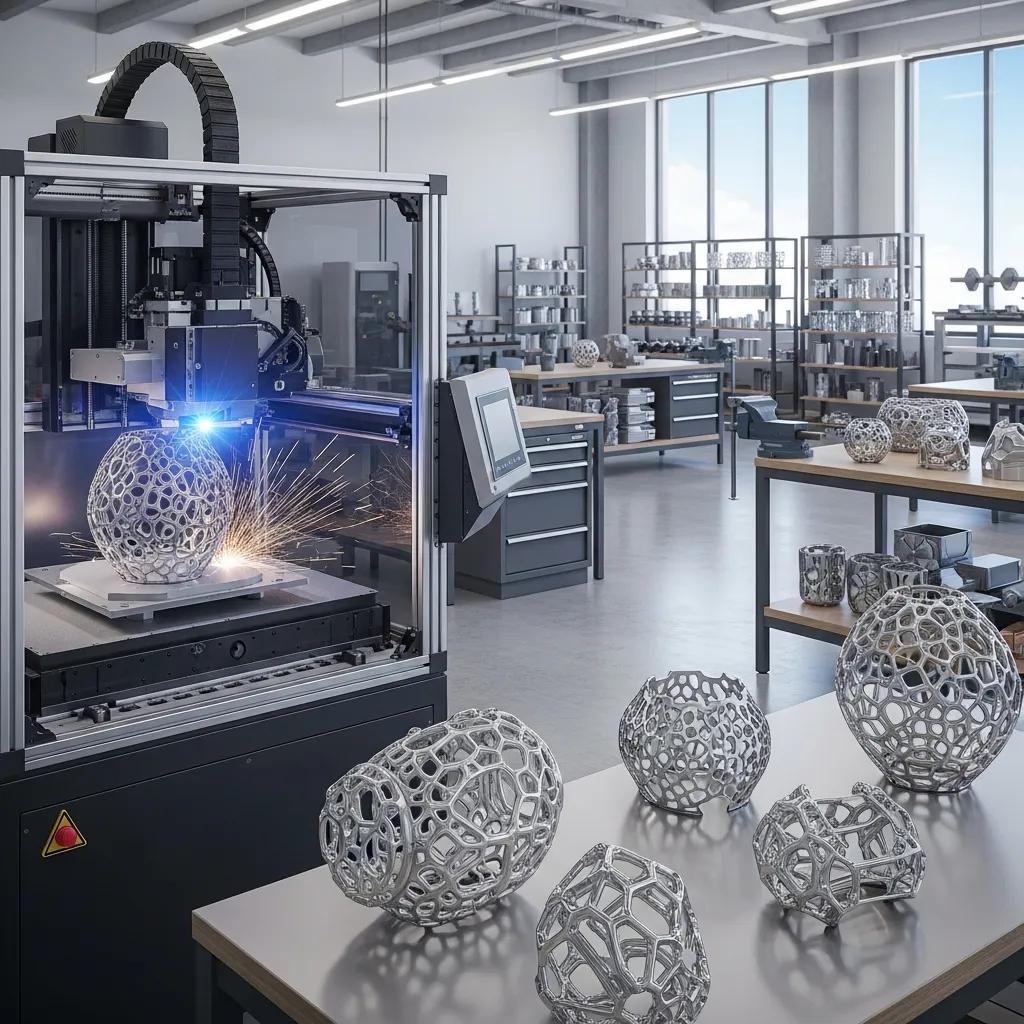
3D metal printing, also known as additive manufacturing, allows for the creation of complex geometries that traditional methods cannot achieve. This technique works by layering metal powder and fusing it using a laser or electron beam, resulting in highly detailed parts.
The primary benefit of 3D metal printing is its ability to produce lightweight structures with intricate designs, which are particularly valuable in aerospace and automotive applications. Additionally, this method reduces material waste, making it a more sustainable option compared to conventional machining processes.
Indeed, the transformative potential of additive manufacturing for creating complex, customized components, especially in demanding sectors like aerospace, is a subject of ongoing research and development.
3D Printing for Mass Customization & Complex Components
Additive manufacturing, also known as 3D printing or digital manufacturing, has opened up a new era for digital design and fabrication. In recent years, the additive manufacturing industry has been extensively concerned. Currently, cardinal industrial countries in the world are incrementally promoting 3D printing technology as the basis of future manufacturing industry. Additive manufacturing is increasingly employed for mass customization and efficient production in healthcare, automotive industry, electronic industry, and the aerospace industry. Significantly, miraculous additive manufacturing has excited the aerospace industry. With regard to aerospace applications, additive manufacturing provides unparalleled flexibility in the geometry, material composition, and lead time of components. By means of the manufacturing of highly complex, lightweight, and low-cost components, China is moving towards a revolution in aerospace manufacture.
A review of additive manufacturing (3D printing) in aerospace: Technology, materials, applications, and challenges, XJ Yue, 2022
What Are the Principles of CNC Metal Fabrication Techniques?
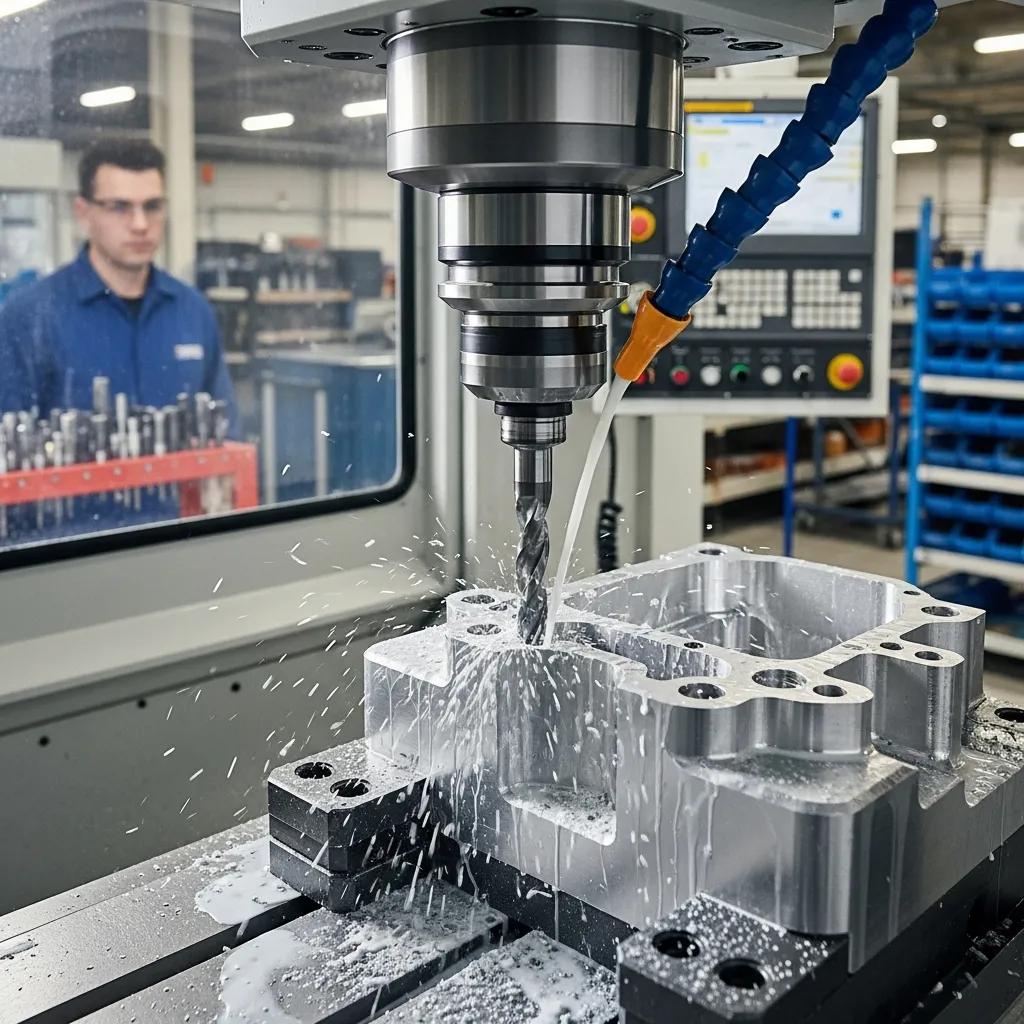
CNC (Computer Numerical Control) metal fabrication involves the use of computer-controlled machines to cut, shape, and finish metal components. This technique operates on precise programming, allowing for high accuracy and repeatability in production.
Key principles of CNC fabrication include the use of various tools and techniques, such as milling, turning, and laser cutting, to achieve desired shapes and dimensions. The applications of CNC metal fabrication are vast, ranging from custom parts for machinery to intricate components for electronics, showcasing its versatility in modern manufacturing.
The inherent precision of CNC machining is a critical factor, with ongoing research dedicated to optimizing processes to ensure the highest quality and accuracy in manufactured parts.
Achieving Precision in CNC Machining
The quality of the part is characterized by precision of its processing. A good fit of the product parts and, as a consequence, its reliability in general depends on how accurately the size and shape of the part is maintained during machining. In this connection, the article considers the problem of ensuring the accuracy during machining of work pieces using CNC machines. Within the identified problem, the analysis of known technical solutions in this area was carried out and three main areas were identified: optimization of cutting conditions, improvement of the treated surface area according to the criteria for increasing the resistance of the cutting tool, as well as error tracking and correction during machining.
Precision CNC machining and ways to achieve it, 2018
How Does Robotic Welding Technology Improve Fabrication Precision and Efficiency?
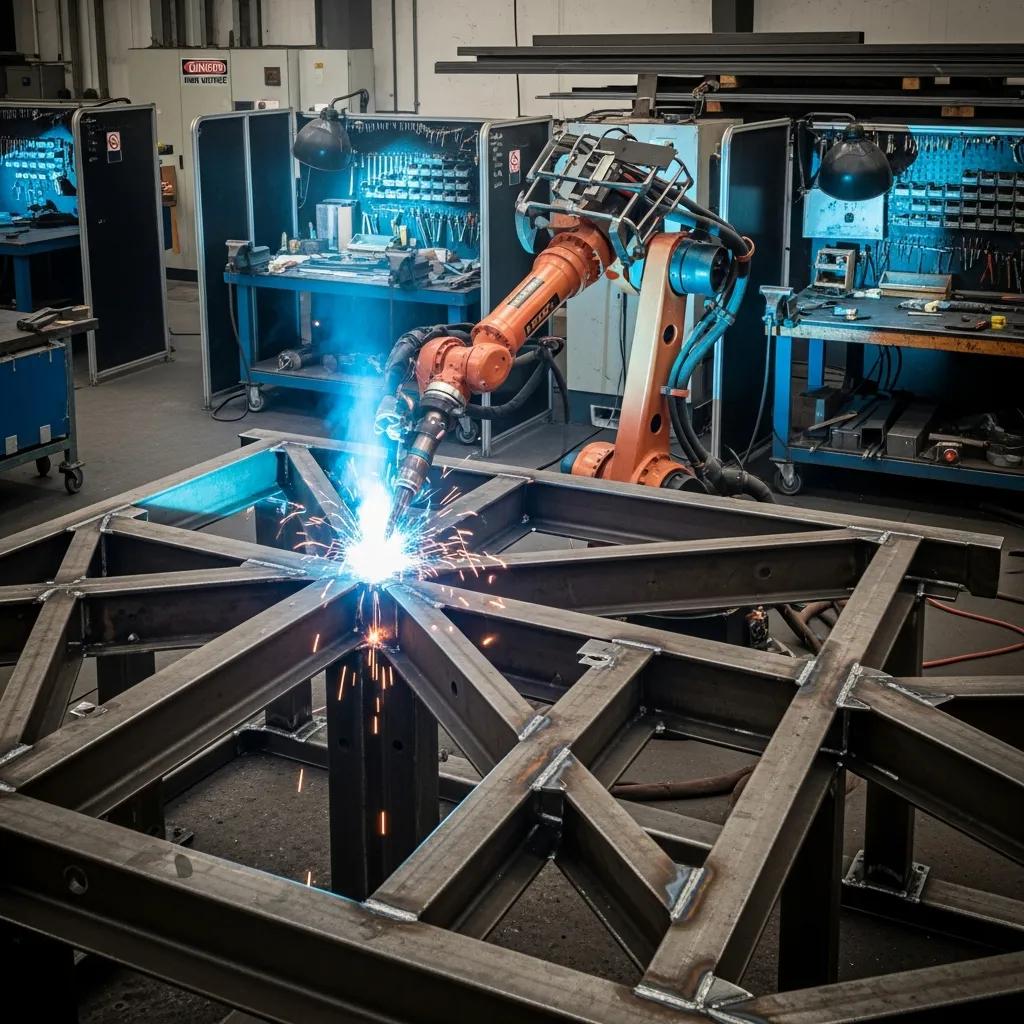
Robotic welding technology significantly enhances fabrication precision and efficiency by automating the welding process. Robots equipped with advanced sensors and programming can perform consistent welds with minimal human intervention.
This technology reduces human error, increases production speed, and ensures high-quality welds, which are essential for structural integrity in various applications. The integration of robotic welding in manufacturing not only streamlines operations but also allows for greater flexibility in production schedules.
What Are the Benefits of Automation in Welding Processes?
Automation in welding processes offers several key benefits that enhance overall productivity and quality. These benefits include:
- Increased Precision: Automated systems provide consistent weld quality, reducing the likelihood of defects.
- Enhanced Productivity: Robots can operate continuously, increasing output without the need for breaks.
- Improved Safety: Automation minimizes human exposure to hazardous environments, reducing workplace accidents.
The implementation of robotic welding systems is transforming the manufacturing landscape, making it essential for companies to adopt these technologies to remain competitive.
Which Equipment and Safety Standards Are Essential for Robotic Welding?
To ensure effective and safe robotic welding operations, specific equipment and safety standards must be adhered to. Essential equipment includes:
- Robotic Arms: These are programmed to perform precise welding tasks.
- Welding Power Sources: High-quality power sources are necessary for consistent welds.
- Safety Gear: Operators must wear appropriate protective equipment to safeguard against potential hazards.
Compliance with safety standards, such as those set by the Occupational Safety and Health Administration (), is crucial for maintaining a safe working environment in robotic welding applications.
Further advancements in robotic welding are actively exploring innovative ways to enhance safety, such as through remote human-robot collaboration.
Remote Human-Robot Welding for Enhanced Safety
To tackle these issues, this article introduces the creation of a remote-controlled human–robot welding. The welds is assessed in accordance with established standards.
Improving Health and Safety in Welding Through Remote Human–Robot Collaboration, SP Subadra, 2025
What Innovations Are Driving Metal Fabrication Process Improvements?
Recent innovations in technology are driving significant improvements in metal fabrication processes. These advancements include the integration of artificial intelligence () and automation, which enhance efficiency and accuracy.
AI algorithms can optimize production schedules and predict maintenance needs, reducing downtime and improving overall productivity. Additionally, the development of new materials and techniques, such as hybrid manufacturing, is expanding the possibilities of what can be achieved in metal fabrication.
How Are AI and Automation Integrated into Modern Fabrication?
AI and automation are increasingly being integrated into modern fabrication processes to streamline operations and enhance decision-making. AI systems analyze data from production lines to identify inefficiencies and suggest improvements.
Automation technologies, such as robotic arms and CNC machines, work in tandem with AI to execute tasks with precision and speed. This integration not only boosts productivity but also allows for real-time monitoring and adjustments, ensuring optimal performance throughout the manufacturing process.
What Role Does Sustainability Play in Advanced Metal Fabrication?
Sustainability is becoming a critical consideration in advanced metal fabrication. Manufacturers are increasingly adopting practices that minimize waste and reduce environmental impact. Techniques such as 3D metal printing contribute to sustainability by using only the necessary amount of material, thereby reducing scrap. Additionally, the use of recyclable materials in fabrication processes is gaining traction, aligning with global efforts to promote environmentally friendly manufacturing practices.
How Do Advanced Welding Methods Support Construction and Custom Projects?
Advanced welding methods play a vital role in supporting construction and custom projects by providing the necessary strength and durability for structural applications. Techniques such as robotic welding ensure high-quality welds that meet stringent industry standards, making them ideal for construction projects that require precision and reliability. Furthermore, these methods allow for customization, enabling manufacturers to create tailored solutions that meet specific client needs.
What Are the Applications of Precision Welding in Construction?
Precision welding is essential in construction, particularly for projects that demand high structural integrity. Applications include:
- Steel Frameworks: Precision welding ensures strong connections in steel structures, enhancing stability.
- Custom Fabrications: Tailored welding solutions allow for unique designs that meet specific project requirements.
- Infrastructure Projects: High-quality welds are critical for bridges and other infrastructure, where safety is paramount.
These applications highlight the importance of advanced welding methods in delivering reliable and durable construction solutions.
How Do Tailored Fabrication Solutions Meet Client Needs?
Tailored fabrication solutions are designed to meet the unique requirements of clients across various industries. By leveraging advanced techniques such as CNC fabrication and robotic welding, manufacturers can create custom components that align with specific project specifications. This level of customization not only enhances client satisfaction but also fosters innovation in product development, allowing businesses to differentiate themselves in a competitive market.
In conclusion, advanced metal fabrication techniques such as 3D metal printing, CNC fabrication, and robotic welding are transforming the manufacturing landscape. These methods offer significant advantages in terms of precision, efficiency, and sustainability, making them essential for modern production. As industries continue to evolve, the adoption of these advanced techniques will be crucial for meeting the demands of the future.