
Architectural Metal: Practical Insights for Today’s Buildings
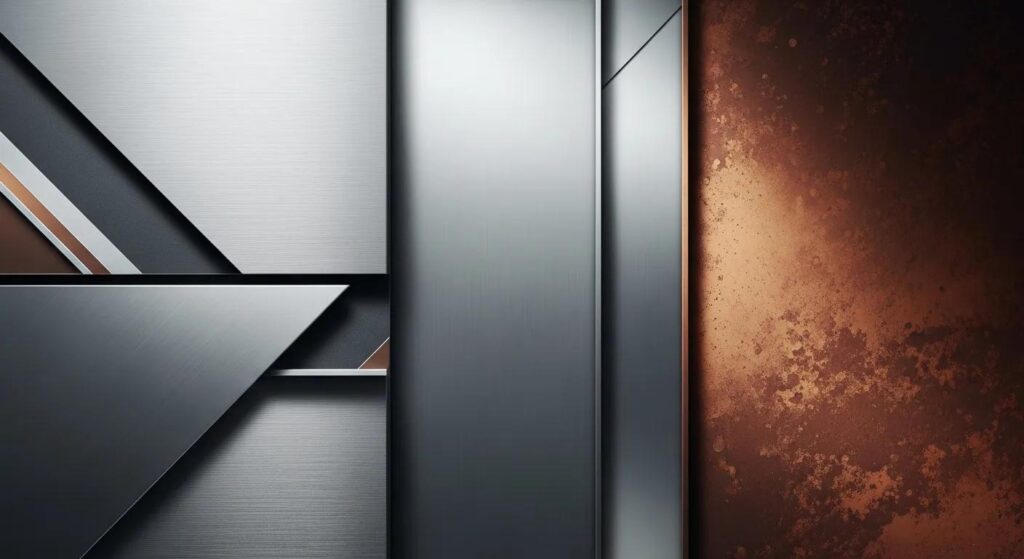
Metal shapes both the look and the performance of modern buildings. This guide explains the metals architects and builders reach for most often, where they work best, and the fabrication and installation practices you’ll encounter on real projects. You’ll get clear, practical notes on steel, aluminum, copper and other materials — how they behave, why designers specify them, and what to expect through fabrication and site work. As cities change, owners and designers increasingly choose materials that are durable, sustainable and visually confident — this piece shows how metals deliver on those needs.
What Are the Key Types of Architectural Metal Used in Modern Buildings?
Each metal brings distinct strengths to a design. The materials most often specified are steel, aluminum, copper and zinc — each with well‑known properties that shape where and how they’re used.
How Do Steel, Aluminum, Copper, and Zinc Differ in Properties and Uses?
- Steel: Valued for strength and predictable load capacity, steel is the primary choice for structural frames and other load‑bearing members. Its reliability makes it the practical option for tall buildings and heavy applications.
- Aluminum: Lightweight and naturally corrosion‑resistant, aluminum is common for cladding and curtainwall systems. It forms and finishes well, letting designers achieve refined, contemporary details.
- Copper: Chosen for warmth and longevity, copper develops a patina that many designers use intentionally. It’s a frequent choice for roofing, gutters and decorative elements.
- Zinc: Durable and low‑maintenance, zinc works well for standing seam roofs and rainscreen cladding where a subtle, modern finish is desired.
Beyond function, these metals help define a building’s character — from reflective, dramatic facades to understated, long‑lived envelopes.
Knowing each metal’s properties and common fabrication methods makes selection and detailing more predictable on site.
What Are the Benefits of Emerging Metals Like Titanium and Brass in Architecture?
- Titanium: Extremely strong for its weight, titanium resists corrosion and extreme temperatures. It typically appears in high‑end projects where long life and a distinctive finish justify the cost.
- Brass: An alloy of copper and zinc, brass brings a warm, golden tone to fixtures and trim. It’s often used for handrails, hardware and interior accents where visual warmth and durability matter.
Introducing these metals into a palette expands performance and aesthetic options without compromising longevity.
How Are Architectural Metals Applied in Modern Building Design?
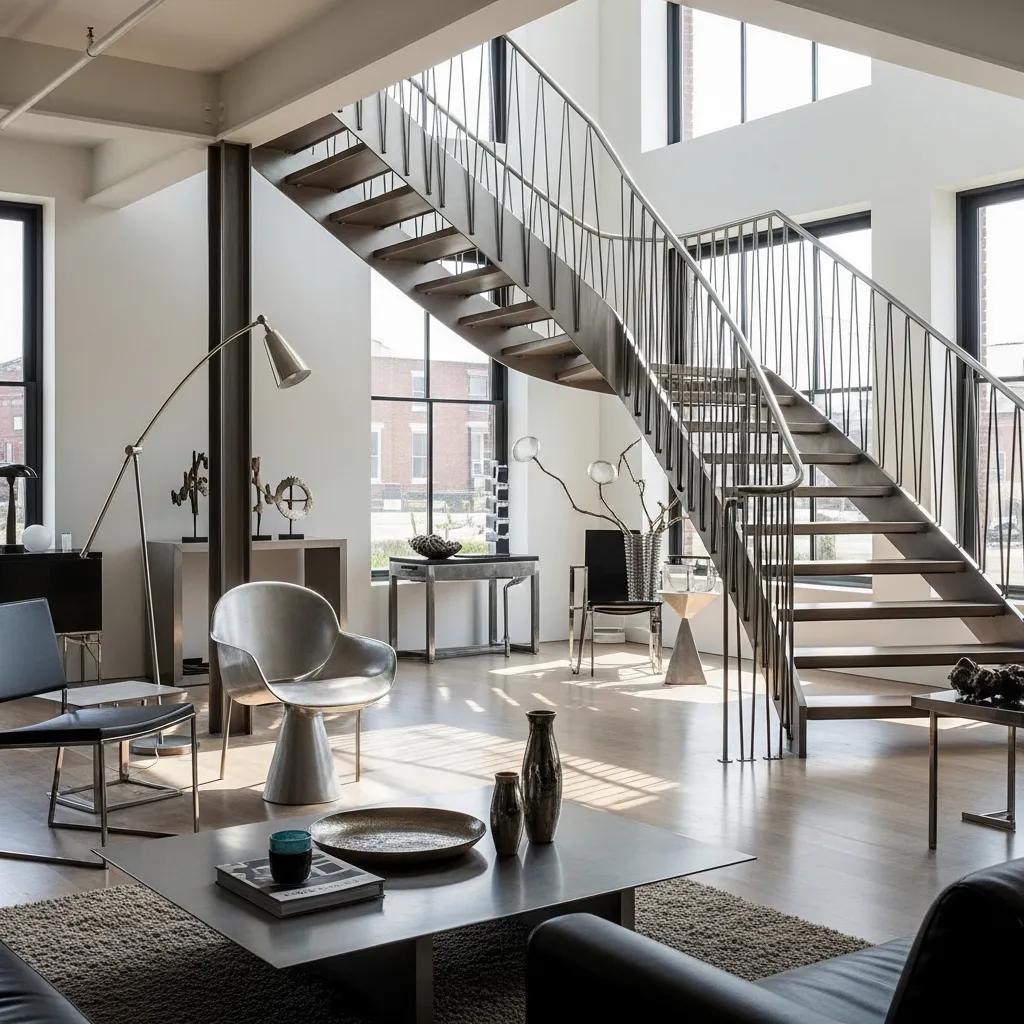
Metals appear at every scale — from primary structure to finishing details. Their versatility helps teams balance aesthetic intent, weather resistance and long‑term performance across a project.
What Roles Do Facades, Cladding, Roofing, and Structural Elements Play?
- Facades: Metal facades create identity while protecting the building from the elements. Aluminum and zinc are common because they pair durability with design flexibility.
- Cladding: Metal cladding provides weatherproofing and, when paired with insulation and a rainscreen, can improve thermal performance.
- Roofing: Metal roofs — copper, aluminum and zinc among them — are prized for long service life and relatively low maintenance compared with many single‑ply systems.
- Structural Elements: Steel remains the backbone of modern structural systems, enabling long spans and inventive forms with predictable engineering performance.
When specified and detailed thoughtfully, metal systems support both function and visual presence.
How Are Interior Architectural Metal Features Enhancing Modern Spaces?
Metals are increasingly used inside buildings where durable surfaces and refined finishes matter:
- Furniture and Fixtures: Steel frames with brass or aluminum accents give furniture a modern, durable quality.
- Railings and Stairs: Metal balustrades and stair structures meet safety needs while acting as design features.
- Decorative Features: From lighting to wall panels, metal elements add texture and depth that withstand everyday use.
Coordinated finishes and lighting help metal interiors feel intentional and well‑crafted rather than purely industrial.
What Are the Latest Trends in Modern Building Metal Design for 2025-2026?
Current trends emphasize sustainability, fabrication precision, and design that balances confident expression with long‑term performance.
How Are Sustainability and Energy Efficiency Shaping Metal Design Choices?
More projects now specify recycled content and durable coatings to extend service life. Recycled steel and aluminum reduce embodied carbon without sacrificing structural or aesthetic performance, while energy‑aware detailing helps lower operating costs.
Steel in particular shows sustainability benefits when specified with recycled content and end‑of‑life planning in mind.
Further research explores strategies to reduce embodied carbon in steel structures by optimizing spans, roof pitch and bay spacing.
What Are the Impacts of Bold Finishes, Laser-Cut Patterns, and Smart Technology Integration?
- Bold Finishes: Distinctive metal finishes create contrast, reinforce brand identity and add visual interest to facades and interiors.
- Laser-Cut Patterns: Precision cutting produces intricate screens and panels that control daylight, privacy and airflow while adding texture to the envelope.
- Smart Technology Integration: Embedding sensors, controllable lighting and other smart components into metal assemblies improves comfort, safety and energy performance.
These techniques expand what metal can do while improving the user experience.
Modern fabrication—laser cutting, CNC profiling and robotic forming—is turning standard metal panels into highly customized systems that repeat accurately and install reliably.
A closer look at this fabrication method shows how robotic thermoforming, combined with laser cutting, produces custom façade components with predictable results.
How Does the Architectural Metal Fabrication and Installation Process Work?
Fabrication and installation follow a clear sequence to ensure parts fit, perform and meet design intent. Care at each step reduces risk during construction and over the building’s life.
What Steps Are Involved in Custom Metal Fabrication from Design to Installation?
- Design Consultation: We begin by aligning design intent, performance targets and budget so details and materials match expectations.
- Fabrication Techniques: Cutting, bending, welding and finishing are chosen and sequenced to produce components that meet tolerances and finish standards.
- Installation: Field installation focuses on alignment, secure fastening and coordination with other trades to ensure weatherproofing and longevity.
Clear coordination between design, shop and site is essential for predictable outcomes.
How Does Metal Contractors Ensure Quality and Customer Satisfaction in Oklahoma City?
Metal Contractors, based in Oklahoma City, provides metal construction and fabrication backed by experienced tradespeople and a commitment to delivering projects on time and on budget. We emphasize clear communication, thorough quality checks and finish control so each project meets the specification and the client’s expectations.
Why Choose Sustainable Architectural Metal for Modern Buildings?
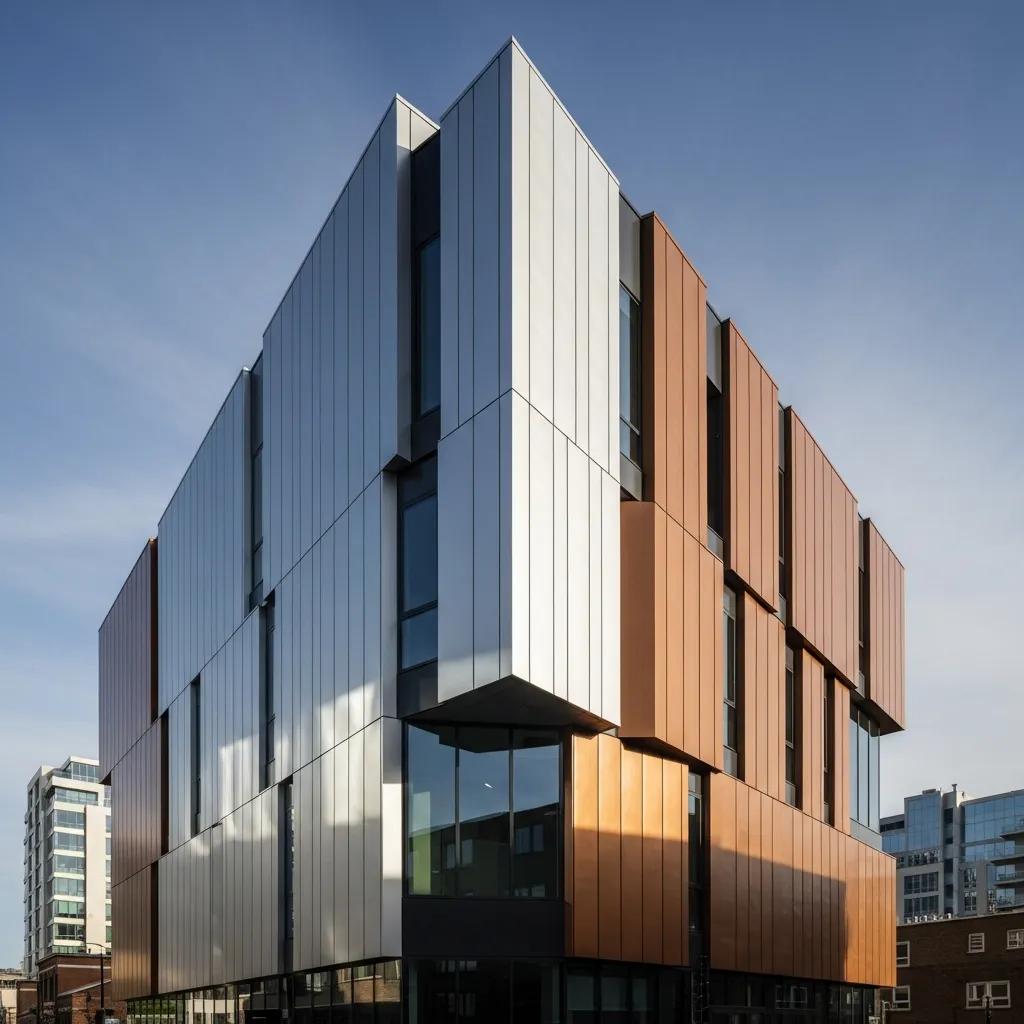
Sustainable metal choices reduce environmental impact while extending a building’s useful life — a practical combination for owners and designers focused on total cost of ownership.
What Are the Environmental and Durability Benefits of Recycled Steel and Sustainable Coatings?
- Environmental Impact: Specifying recycled steel and aluminum lowers embodied carbon and reduces demand for virgin material, supporting greener outcomes.
- Durability: Modern coatings and finishes protect metal surfaces from corrosion and wear, cutting maintenance and extending service life.
Together, recycled content and durable finishes make metal a strong option for sustainable design strategies.
How Do Sustainable Metals Contribute to Energy Efficiency and Building Longevity?
When combined with proper insulation and careful detailing, metal assemblies can improve thermal performance and reduce energy use. Their long life also means fewer replacements over time, lowering life‑cycle impacts and long‑term costs.
What Are Notable Architectural Metal Projects by Metal Contractors in Oklahoma City?
Our portfolio shows how different metals and fabrication approaches solve real design challenges while delivering long‑term value.
Which Local Case Studies Showcase Diverse Metal Types and Design Applications?
- City Hall Renovation: Aluminum cladding refreshed the exterior and improved the building’s thermal envelope.
- Cultural Center: A prominent copper roof created a signature civic landmark that will age gracefully over time.
These projects demonstrate practical, site‑specific use of metal to meet both aesthetic and performance goals.
How Have Clients Benefited from Custom Fabrication and Metal Construction Services?
Clients highlight craftsmanship, attention to detail and tailored problem solving that come with custom metalwork. Coordinated shop drawings, controlled finishes and dependable site support keep projects moving and owners satisfied.
| Metal Type | Properties | Common Applications |
|---|---|---|
| Steel | High strength, long service life | Structural frameworks, load‑bearing elements |
| Aluminum | Lightweight, corrosion‑resistant | Cladding, facades, roofing |
| Copper | Distinctive appearance, develops patina | Roofing, gutters, decorative elements |
| Zinc | Durable, low‑maintenance | Roofing, cladding systems |
This summary highlights practical properties and typical uses to help project teams choose the right material.
Frequently Asked Questions
What factors should be considered when selecting architectural metals for a project?
Consider strength, weight, corrosion resistance and the visual qualities you want. Also weigh environmental impact by specifying recycled content and durable coatings. The part’s purpose—structural or decorative—plus local climate and maintenance expectations should guide the final choice.
How do architectural metals influence the overall cost of a building project?
Metals can affect upfront and life‑cycle costs. Some metals have higher initial price points but lower maintenance and longer service life, which can reduce total cost over time. Fabrication complexity and installation logistics also influence project cost, so balance initial material price with expected performance and maintenance.
What are the safety considerations when using architectural metals in construction?
Ensure elements meet structural and load requirements, and use appropriate finishes to prevent corrosion that could create hazards. During installation, follow safety protocols for handling heavy materials and use proper protective equipment. Regular inspections and maintenance help identify issues early.
How can architectural metals enhance the energy efficiency of a building?
Reflective metal surfaces can reduce heat gain in warm climates. When paired with insulation and proper vapor control, metal cladding and roofing contribute to overall thermal performance. Rainscreen systems also help manage moisture and improve wall assembly efficiency.
What are the challenges associated with the installation of architectural metals?
Installation challenges include precise alignment, integration with other trades, and accommodating thermal movement. Some metals are heavy or require specialized equipment. Careful coordination, accurate shop drawings and clear site communication reduce risk.
What role do local building codes play in the use of architectural metals?
Local codes set requirements for safety, structural performance, fire resistance and energy efficiency. They influence material selection and detailing, so design and construction teams must confirm compliance early in the project.
How do trends in architectural metal design reflect broader societal values?
Trends—like recycled content, energy efficiency and advanced fabrication—mirror a wider focus on sustainability, innovation and expressive design. Designers are using metal to create distinctive, performance‑driven buildings that reflect those values.
What are the advantages of using architectural metals in sustainable building practices?
Metals with recycled content reduce embodied carbon and tend to outlast many alternatives, lowering replacement and waste over a building’s life. Durable coatings and careful detailing further reduce maintenance, making metals a practical choice for sustainable projects.
How do architectural metals contribute to the aesthetic appeal of modern buildings?
Metals offer a wide range of finishes, colors and textures that help define character: copper’s patina, aluminum’s painted or anodized surfaces, and custom patterned panels allow designers to create facades and interiors with clear visual intent and lasting presence.
What role does technology play in the fabrication of architectural metals?
Advanced fabrication—laser cutting, CNC profiling and robotic forming—lets shops produce precise, repeatable components with complex geometry. Digital tools also streamline shop drawings and tolerance control, reducing onsite surprises and improving final fit and finish.
How do architectural metals impact energy efficiency in buildings?
Metal cladding and roofing, when detailed with proper insulation and vapor control, contribute to thermal performance. Reflective metal surfaces reduce heat gain in warm climates, and rainscreen systems help manage moisture and improve wall assembly efficiency.
What are the maintenance requirements for architectural metals?
Maintenance depends on the metal and exposure. Aluminum and zinc usually need minimal upkeep; copper and some specialty finishes benefit from periodic cleaning or inspection. High‑quality coatings and scheduled inspections keep systems performing longer.
How can architectural metals be integrated into interior design?
Interior metals work well for durable, visible elements like fixtures, railings, stairs and feature walls. Choosing finishes and details that complement wood, glass and stone helps metal feel integrated rather than isolated.
What are some innovative uses of architectural metals in recent projects?
Recent projects use laser‑cut sunshades, folded and sculpted panels for spatial expression, and integrated sensors in metal components for lighting and environmental control—examples of combining aesthetics with technical performance.
Conclusion
When specified and detailed thoughtfully, architectural metals deliver durable performance and flexible aesthetics. Understanding material properties, sustainable sourcing and modern fabrication helps project teams deliver buildings that look better and last longer. If you’re planning a project, explore our resources or contact us to discuss metal solutions that meet your design and performance goals.
