
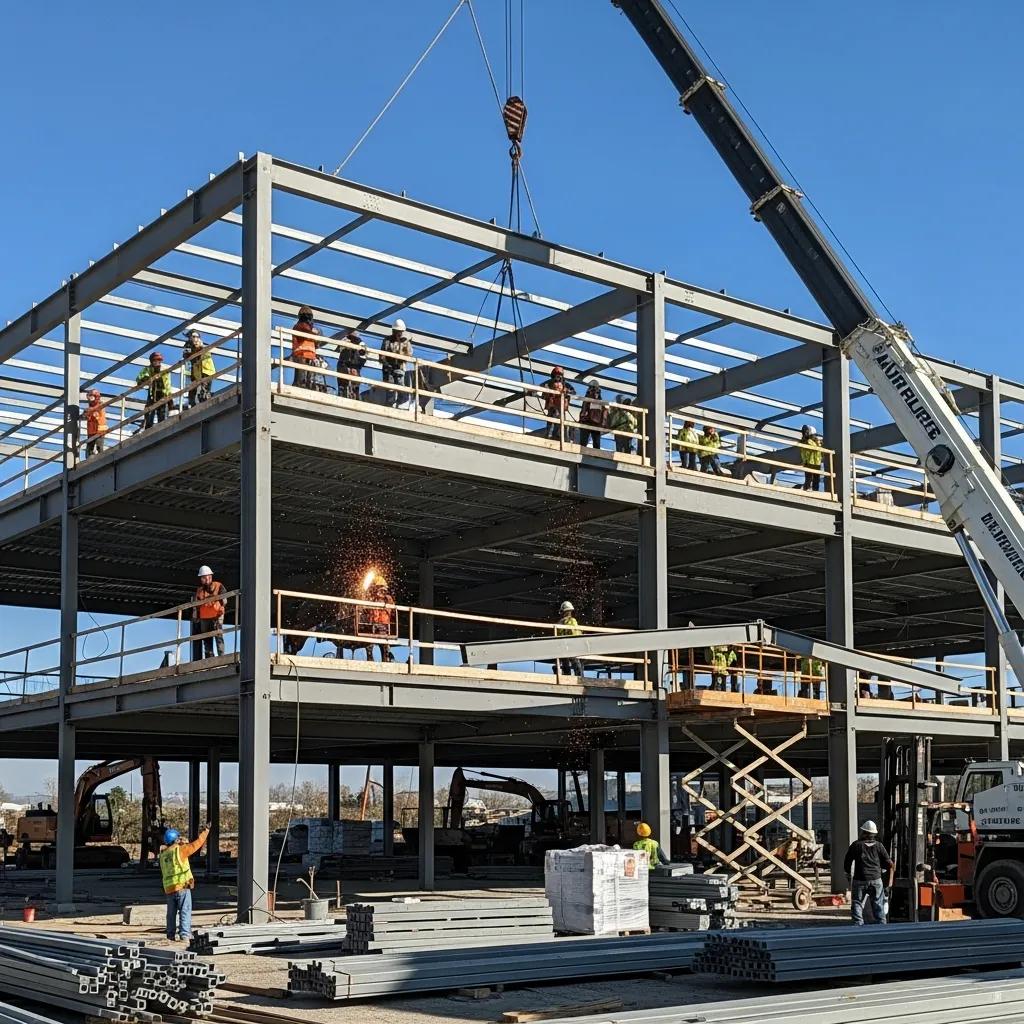
Top Benefits of Metal Construction for Your Project; Durable, Cost‑Effective, Energy‑Efficient
Metal construction has become a top choice for residential and commercial projects because it delivers real, measurable advantages. In this guide we walk through the practical benefits of metal construction — from long‑term durability and lower lifecycle costs to improved energy performance. You’ll get clear, actionable insight into how metal buildings perform, where they save you money, and what to expect when planning a project. We cover durability, cost savings, energy efficiency, steel buildings, and project planning so you can make an informed decision for your build.
What Gives Metal Buildings Their Durability Advantage?
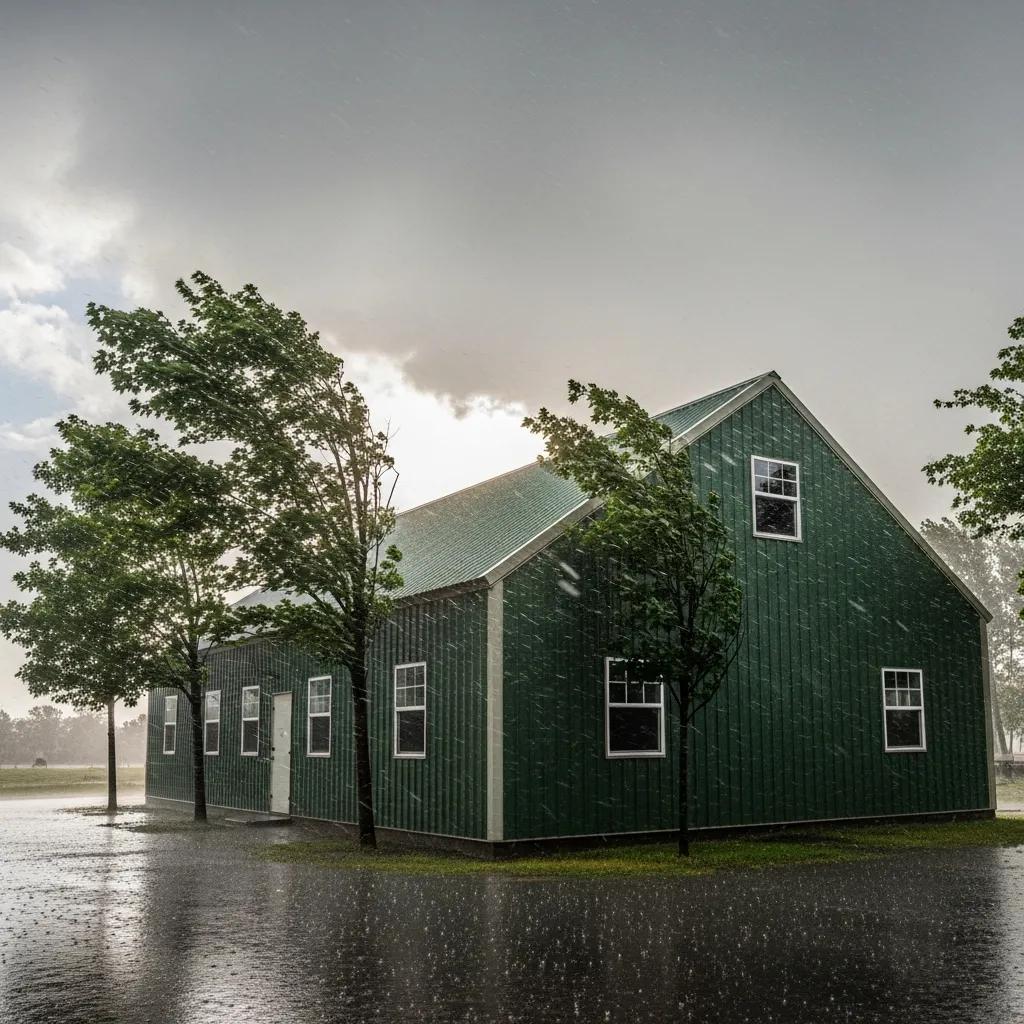
Durability is a defining strength of metal buildings. Materials like steel resist rot, insects, and many forms of environmental wear, so structures retain their integrity longer than many traditional builds. That reliability lowers maintenance needs and extends service life — a major factor in total ownership cost.
How Steel Delivers Lasting Structural Strength
Steel’s excellent strength‑to‑weight ratio makes it ideal for long‑lasting structures. It carries heavy loads without excessive mass and resists bending and deformation under stress. Real‑world examples of steel‑framed projects show strong performance in high winds and seismic events, which is why engineers often specify protective where resilience matters.
Which Projects Show Metal Construction Longevity?
Many long‑standing projects illustrate metal’s durability. Iconic metal structures demonstrate the material’s lifespan, and numerous commercial warehouses with metal frameworks report decades of low upkeep. (Note: the Sydney Opera House relies primarily on concrete and reinforced concrete rather than predominantly metal framing.) These examples reinforce why metal is a solid long‑term investment.
How Do Metal Construction Cost Savings Affect Your Budget?
Metal construction can improve a project’s bottom line over time. While upfront costs may be similar to other methods, lifetime savings are often substantial thanks to lower maintenance, better energy efficiency, and faster build schedules that reduce labor and carrying costs.
Where Do Maintenance Savings Come From?
Because metal resists rot, pests, and many common failure modes, you’ll typically see fewer repairs and replacements compared with wood structures. That reduced maintenance over years translates into meaningful savings — the exact amount depends on site conditions and use, but the trend is consistent.
How Off‑site Fabrication Lowers Overall Costs
Prefabrication streamlines construction: components are made in controlled environments, then assembled quickly on site. That cuts labor hours, shortens schedules, and reduces weather‑related delays — so projects finish sooner and with less on‑site uncertainty, energy efficiency.
Why Energy‑Efficient Metal Buildings Support Sustainability?
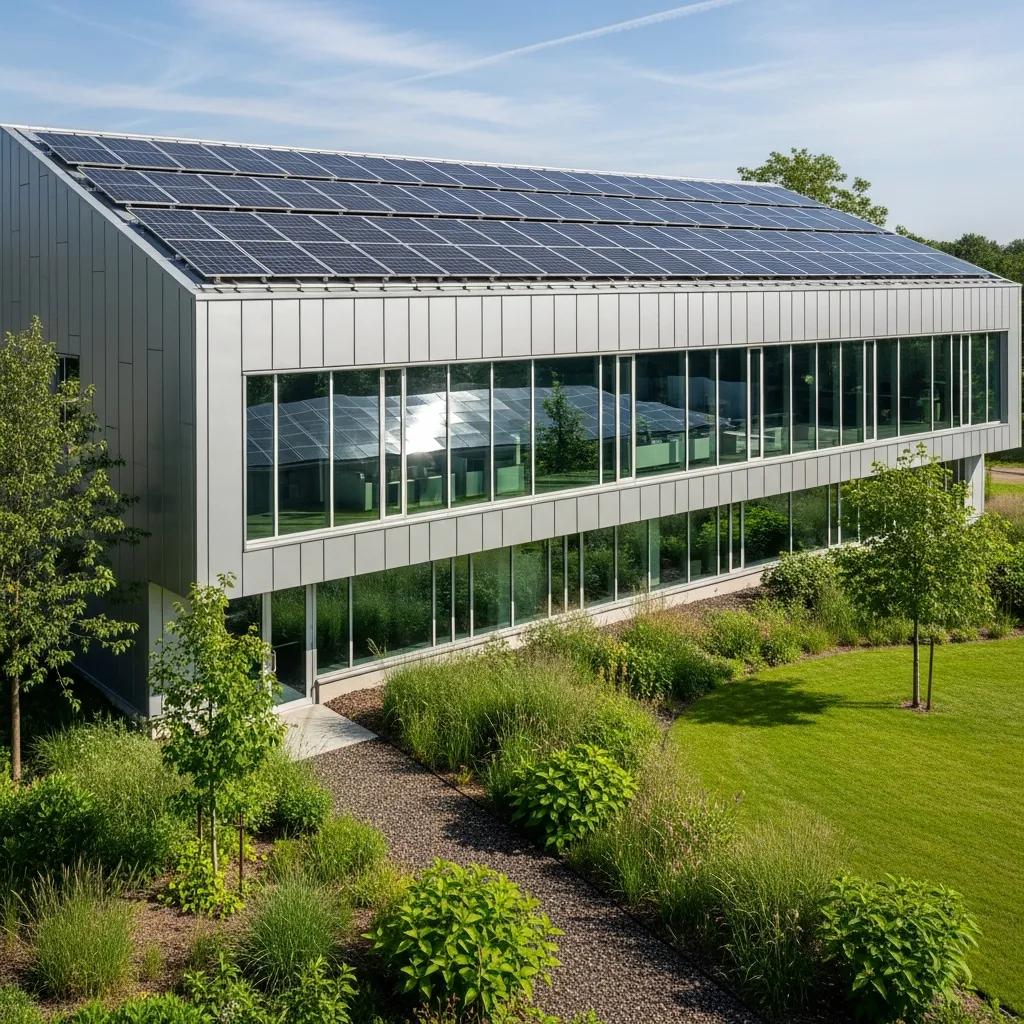
Energy performance is an important benefit of modern metal construction. Proper detailing, insulation, and reflective finishes can lower heating and cooling loads, cutting operating costs and reducing energy efficiency over the building’s life.
How Metal Construction Improves Insulation and Energy Use
Insulated metal panels and modern thermal systems give metal buildings strong thermal performance. When specified and installed correctly, these systems reduce HVAC demand, shrink utility bills, and help meet energy efficiency goals without sacrificing functionality.
What Environmental Benefits Do Metal Buildings Provide?
Metal is highly recyclable, and many projects incorporate recycled content. At end‑of‑life, metal components are straightforward to reclaim and repurpose, which helps reduce landfill waste. Using metal also lowers pressure on timber resources when it replaces wood in suitable applications.
What Does Custom Metal Fabrication Add to Project Flexibility?
Custom fabrication lets metal systems adapt to unique design and functional needs. Whether you’re building a tailored residence, a specialized commercial space, or a large industrial facility, structural steel fabrication can be engineered to meet specific performance and aesthetic requirements.
How Custom Design Fits Residential and Commercial Needs
Metal solutions work across project types. Residential builds can be designed for curb appeal and efficient layouts, while commercial projects can prioritize clear spans, operational workflows, and cost efficiency. The material’s adaptability means you don’t have to compromise vision for performance.
Why Skilled Craftsmanship Matters in Metal Fabrication
Experienced fabricators and installers ensure components fit precisely and perform as intended. Quality workmanship reduces field fixes, supports long‑term durability, and preserves the value of the completed building.
How to Plan a Metal Construction Project Timeline
Good planning keeps metal projects on track. Knowing the main phases and where time savings occur helps you manage expectations and avoid common delays. A clear schedule also lets you coordinate protective, site work, and trades for a smoother build.
Typical Steps in Metal Building Construction
- Design and Planning: Work with architects and engineers to finalize plans and secure permits.
- Fabrication: Produce metal components off‑site to tight quality standards.
- Site Preparation: Ready the site, pour foundations, and run utilities.
- Assembly: Erect the metal frame, then complete interior and exterior finishes.
How Local Expertise in Oklahoma City Helps Projects Succeed
Local contractors and suppliers familiar with Oklahoma City codes and conditions can speed permitting and sourcing. That local knowledge reduces surprises, keeps schedules tighter, and improves the overall experience from planning through handover.
| Cost Factor | Traditional Materials | Metal Construction | Savings |
|---|---|---|---|
| Initial Cost | Higher | Comparable | – |
| Maintenance | High | Low | 70% |
| Energy Efficiency | Moderate | High | 30% |
| Construction Time | Longer | Shorter | 20% |
The table highlights where metal construction typically outperforms traditional methods—especially in maintenance and energy use—helping you evaluate lifecycle costs, not just upfront price.
Overall, metal construction delivers a combination of durability, cost efficiency, energy performance, and design flexibility that fits many project types. Understanding these strengths makes it easier to choose the right approach for your needs and budget.
Frequently Asked Questions
What types of projects are best suited for metal construction?
Metal works well for a wide range of projects: homes, small commercial buildings, warehouses, industrial facilities, agricultural structures, and recreational buildings. Its durability and flexibility make it a strong option where low maintenance and longevity are priorities.
How does metal construction compare to traditional materials in terms of safety?
Metal offers several safety advantages. Steel is non‑combustible, which improves fire resistance, and engineered metal structures can be designed to withstand extreme weather and seismic forces. The material also supports larger open spaces with fewer internal supports, which can enhance accessibility and egress planning.
What are the environmental impacts of using metal in construction?
Metal’s recyclability and the potential for using recycled content reduce lifecycle environmental impact. Efficient fabrication and lighter structures can also lower transportation and material waste. When paired with energy‑efficient systems, metal buildings can contribute to a smaller carbon footprint.
Can metal buildings be customized for aesthetic purposes?
Absolutely. Metal panels, finishes, colors, and architectural details let you achieve a range of looks—from industrial to polished commercial or contemporary residential. Thoughtful detailing and landscaping help metal buildings fit into many contexts.
What are the common misconceptions about metal construction?
Two common myths: that metal buildings always look industrial, and that metal is prone to rust. Modern design options make metal visually versatile, and contemporary protective coatings and finishes greatly improve corrosion resistance, extending performance in many environments.
How does the cost of metal construction vary by region?
Costs change with local labor rates, material availability, and regional codes. High‑demand areas or locations with limited suppliers can be pricier, while regions with established metal building solutions often see better pricing. Climate can also affect design needs and costs.
What financing options are available for metal construction projects?
Financing choices mirror those for other building types: bank loans, construction financing, and sometimes incentives for energy‑efficient projects. Manufacturers and contractors occasionally offer financing programs as well. Consult a financial advisor to identify the best path for your metal building solutions.
Conclusion
Metal construction offers measurable advantages—durability, long‑term cost savings, energy efficiency, and design flexibility—that make it a practical choice for many projects. When planned and executed well, metal buildings deliver reliable performance and value over time. If you’re considering metal for your next build, our team can help you assess options, plan the schedule, and bring the project to completion with confidence.


